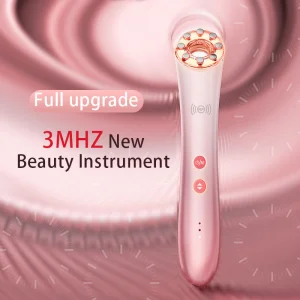
As Southeast Asia's primary economic and medical hub, Singapore presents a sophisticated aesthetic market landscape characterized by high consumer awareness, strong purchasing power, and strict regulatory standards. Modern skincare consumers in locations ranging from Orchard Road to regional hubs demand clinical efficacy combined with convenience. This shift has accelerated the adoption of home-use skin tightening devices, transitioning professional clinic technologies into compact, safe, and ergonomically sound formats.
For beauty device brands, local distributors, and e-commerce leaders targeting the Singaporean market, finding a reliable manufacturing partner is essential. High-performance devices must meet complex user requirements, ensuring consistent treatment temperatures, skin protection, and structural integrity. Chengdu Osity Beauty Co., Ltd. operates at the forefront of this manufacturing ecosystem, delivering compliance-driven, medical-spa grade equipment and customizable OEM/ODM pipelines to meet the highest local standards.
Key Strategic Dynamics in the Singapore Market:
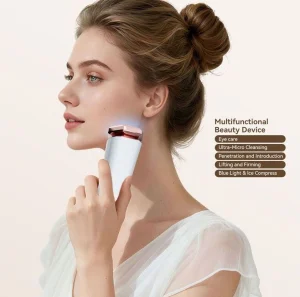
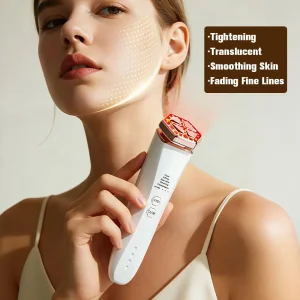
The global skin tightening device market is undergoing rapid technological convergence. Systems that once required heavy stationary setups are now being miniaturized using advanced microfluidics, energy delivery algorithms, and thermal cooling mechanisms. Globally, Radio Frequency (RF) and High-Intensity Focused Ultrasound (HIFU) represent the gold standards in non-surgical tissue tightening. Their therapeutic value lies in delivering precise thermal energy to the deep dermis and superficial muscular aponeurotic system (SMAS) without damaging the surrounding epidermis.
In Singapore, these global trends are adapted to meet localized market demands. Local consumer preferences prioritize skin barrier preservation and pigment safety, leading to a strong demand for multi-wavelength LED phototherapy combined with low-level microcurrents. Devices must offer consistent thermal output—typically maintaining target skin temperatures between 38°C and 42°C—to induce collagen denaturation and subsequent neocollagenesis while preventing thermal injury.
Chengdu Osity Beauty Co., Ltd. designs and manufactures products based on core physics principles. We focus on matching precise electrical impedance with customized wavelengths to optimize energy distribution across various skin profiles.
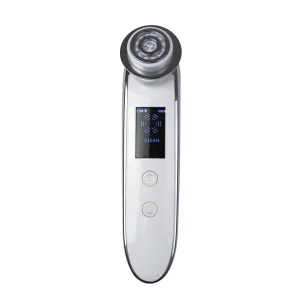
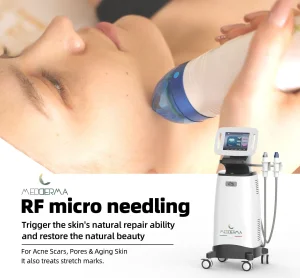
Utilizes alternating current loops to heat dermal layers. This stimulates fibroblasts, contracting collagen fibers and promoting long-term structural regeneration.
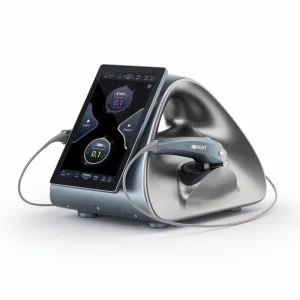
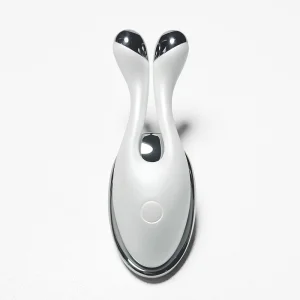
Applies low-frequency microcurrent waveforms to simulate neurological impulses, prompting muscle contraction to support and lift facial contours.
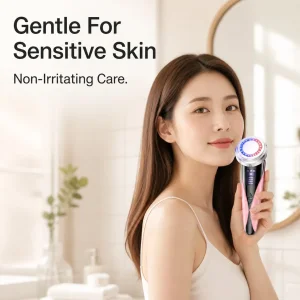
Employs specific wavelengths (630nm Red for cellular repair and 415nm Blue for anti-inflammatory support) to optimize overall treatment outcomes.
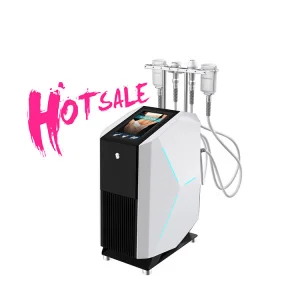
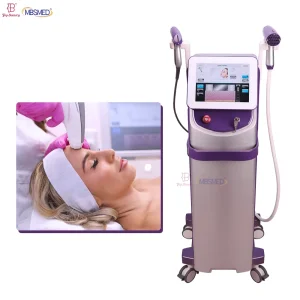
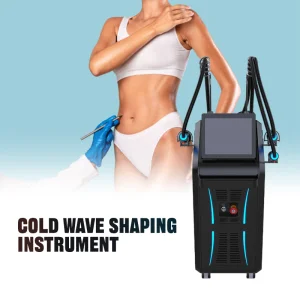
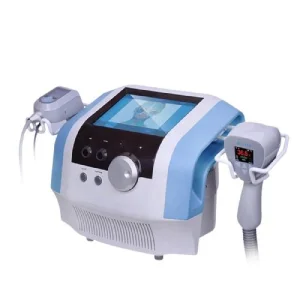
Advanced systems engineered for intensive body contouring and precise dermal restructuring applications.
Navigating the regulatory environment in Singapore is key to commercial success. Under the Health Sciences Authority (HSA), energy-based aesthetic systems are evaluated to determine their medical classifications. Home-use devices designed with low energy output levels are typically classified under simplified consumer product frameworks. However, professional and high-output aesthetic equipment must undergo registration pathways to confirm compliance with international safety and quality standards.
Our manufacturing facility operates under an ISO 13485 framework, ensuring high levels of design control, traceability, and quality management. We supply detailed documentation to support Singapore partners in the HSA registration process, including product specifications, risk analysis, and safety testing reports (IEC 60601-1-2 EMC and Electrical Safety standards).
Singapore's tropical, humid climate impacts both device electronics and storage stability. Our engineering team designs devices using custom moisture-resistant sealants and anti-corrosive electrode materials. This prevents sweat, humidity, and conductive gels from entering the internal housing, ensuring long-term reliability and product lifespan.
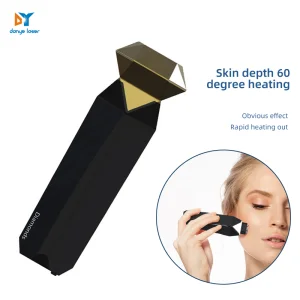
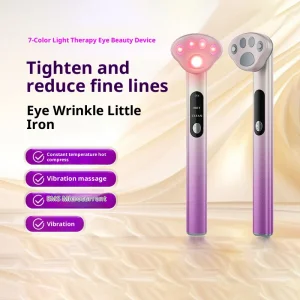
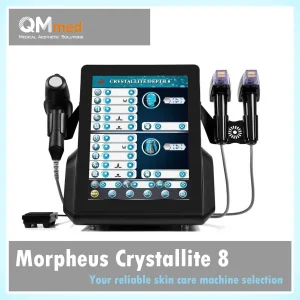
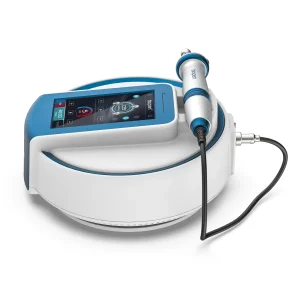
Our manufacturing facility features advanced technology and operates under strict quality systems. Every phase of production, from dust-free cleanrooms and component incoming inspection to automated testing lines and spectral analyzer calibration, is managed to meet international manufacturing standards.
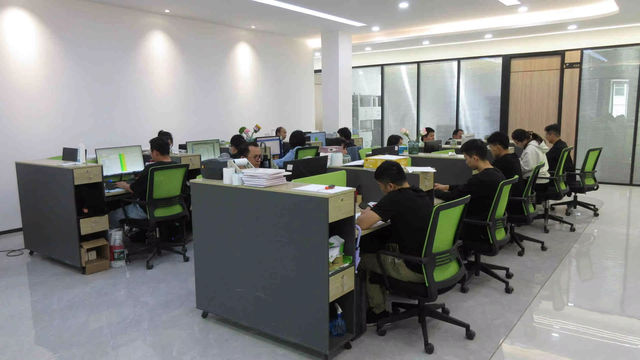
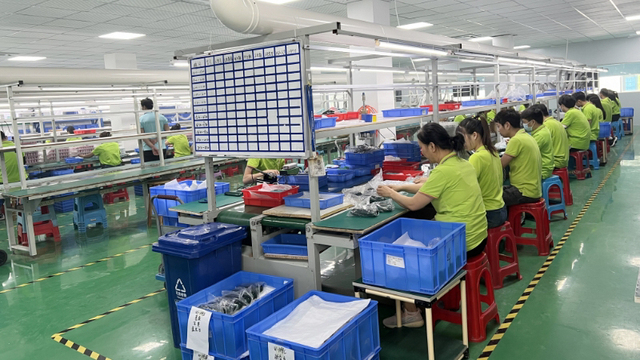
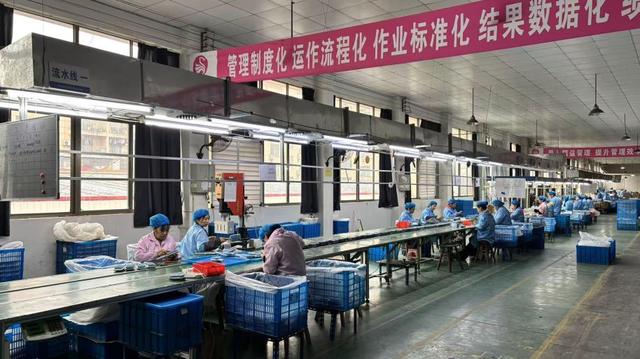
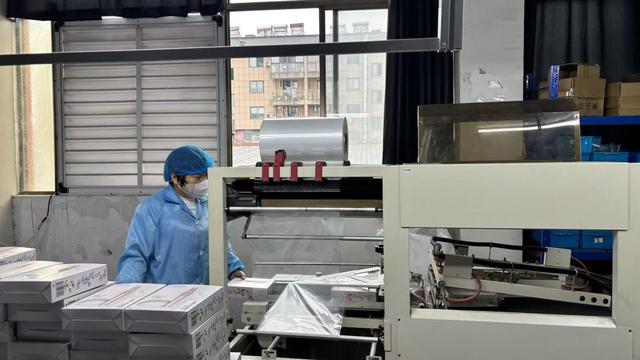
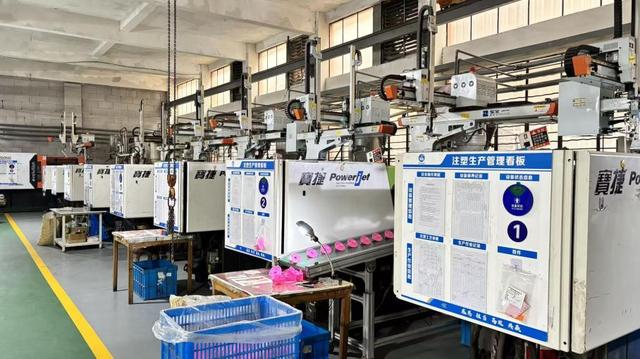
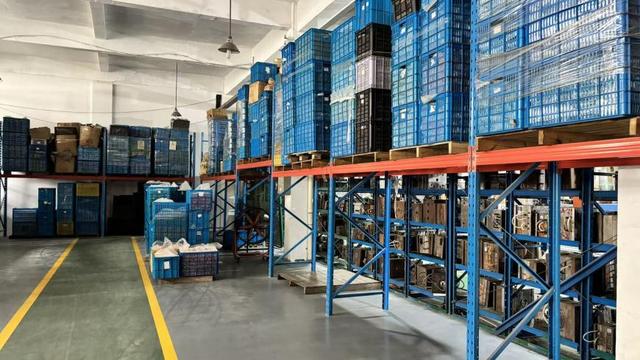
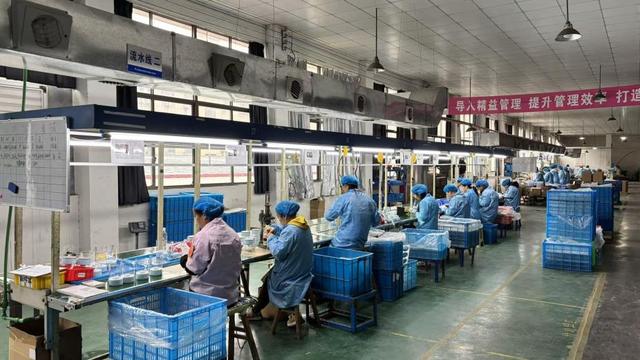
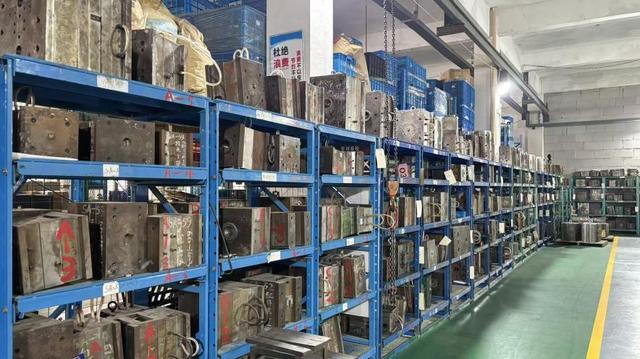
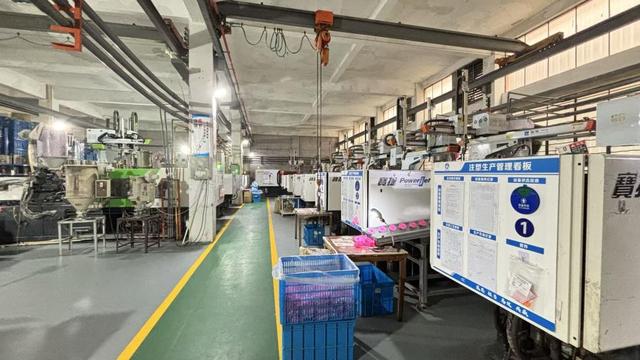
Our facility focuses on high-precision structural tool manufacturing. By employing automated circuit testing platforms and rigorous burn-in protocols, we maintain a very low return rate for shipped systems. We offer comprehensive customization options, including private label shell design, integrated software development, packaging design, and targeted technical modifications to meet local market requirements.
We provide a structured path from conceptual industrial design to global market distribution.
Clients share their specific mechanical and functional requirements. Our engineering team creates 3D CAD files and evaluates circuit performance and energy output profiles.
We produce working prototypes using 3D printing and precise injection molding. These units undergo testing for thermodynamic performance, electrical safety, and user interface reliability.
Once prototypes are approved, we begin volume manufacturing. Every step follows strict quality control procedures, including in-process testing, final calibration, and burn-in verification.
Whether you are expanding a professional clinic brand in Singapore, launching an e-commerce line, or distributing medical spa equipment across Southeast Asia, our team can support your product development requirements. Contact us to discuss your specifications, request technical files, or receive a manufacturing quote.
 Osity Beauty