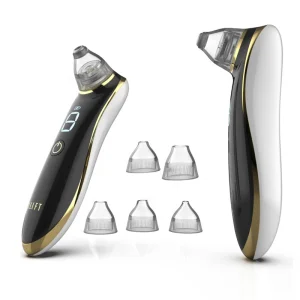
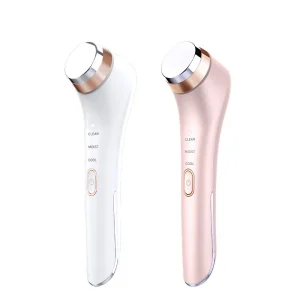
High-performance clinical and home-use equipment engineered for targeted skin optimization, serving leading cosmetic brands and B2B distributors globally.
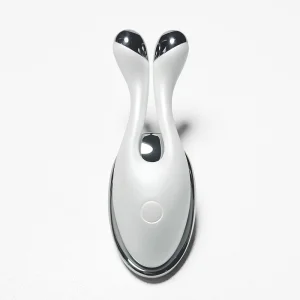
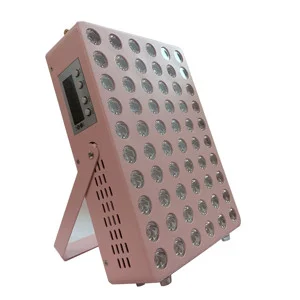
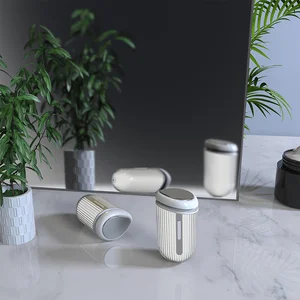
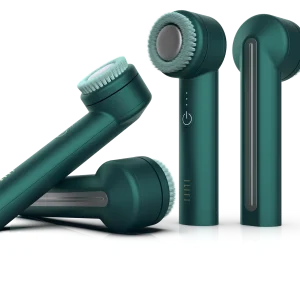
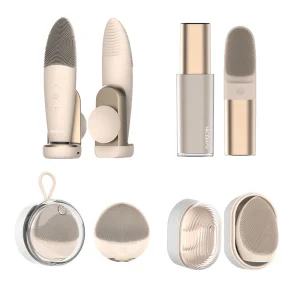
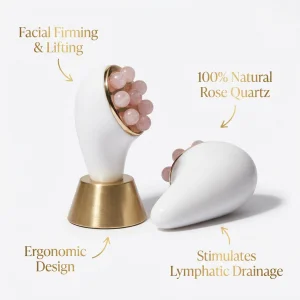
Understanding the shift towards data-backed personalization in the global aesthetic, clinical dermatology, and smart home beauty sectors.
The international beauty and clinical dermatology sectors are undergoing a massive transition from intuitive, qualitative assessments to quantified, evidence-based therapies. High-precision skin analysis devices have evolved from simple magnifying loupes and basic wood lamps into sophisticated multi-spectral imaging workstations. Enabled by advanced artificial intelligence (AI), machine learning algorithms, and deep neural networks, today's diagnostic systems map the sub-surface layers of the skin, identifying chromophores, sebum distributions, moisture indexes, and micro-vascular pathologies before they manifest on the stratum corneum.
For aesthetic clinics, dermatology centers, and cosmetic retail groups, integrating digital diagnostic software is no longer a luxury; it is a critical instrument for building client trust. By deploying calibrated optical sensors, B2B stakeholders can demonstrate concrete efficacy metrics for their skincare regimens, accelerating the sales of target-oriented home devices such as RF, LED, and EMS facial massage instruments.
"The integration of professional skin analysis platforms acts as the direct catalyst for customized clinical interventions. Without scientific analysis, aesthetic treatment is merely guesswork; with it, skincare becomes a precise biological optimization protocol."
A breakdown of critical optical systems, imaging spectrums, and clinical assessment features in modern diagnostic hardware.
Utilizing Cross-Polarized and Parallel-Polarized Light alongside Ultra-Violet (UV) excitation. This method allows systems to visualize epidermal pigmentation, deeper dermal melasma, vascular structure abnormalities, and excessive sebum production clogged in hair follicles.
Employs structured-light projection to measure spatial deformation across the facial plane. This enables three-dimensional volumetric assessment of fine lines, pore structures, and volumetric sagging, allowing precise before-and-after therapeutic tracking.
By comparing scanning profiles against massive dermatological database pools (segmented by ethnicity, geographical location, and age groups), cloud engines calculate skin age, hydration levels, elasticity, and future sensitivity risks.
Direct connectivity between diagnostic face scanners and localized clinic networks, enabling immediate generation of custom product recommendations via QR code sharing.
Transition from standard RGB/UV to multi-band hyper-spectral sensors capable of mapping sub-dermal oxygen levels and microscopic inflammatory indices.
Integration of real-time aging forecasts generated by generative AI models, visually demonstrating the 5-to-10-year skin outcome based on user skincare compliance.
Essential operational guidelines for cosmetic brands and distributors when selecting a manufacturing partner.
A skin analyzer is only as reliable as its optical hardware. Low-grade sensors yield inconsistent reports under variable ambient lighting. Ensure the factory integrates high-resolution CMOS matrix sensors (minimum 20 megapixels) coupled with stabilized, color-corrected LED illumination rings that mimic standard daylight indices (D65).
Established skincare brands require proprietary software ecosystems. Reliable suppliers must offer Software Development Kits (SDKs) and robust APIs. This guarantees that diagnostic outputs can be dynamically mapped to the brand's product lines, routing consumers directly to purchasing pages.
Importing equipment to regions like North America, the EU, or East Asia requires strict adherence to regulatory norms. Suppliers must present verifiable certifications including CE-Mark (MDR compliance), FDA registrations for diagnostic aids, FCC, RoHS, and factories must run under ISO 13485 medical device quality management standardizations.
Since devices collect high-resolution facial images and biological profiles, the manufacturer's cloud infrastructure must employ top-tier end-to-end encryption. Localized database structures in the US and Europe are critical to preventing compliance issues related to personal data leakage.
Providing world-class OEM and ODM services, serving international beauty brands with high-performance skincare technologies and medical-grade diagnostics.
Chengdu Osity Beauty Co., Ltd. is a premium, professional beauty tools manufacturer specializing in the research, development, production, and supply of facial care devices, skin rejuvenation equipment, and home beauty solutions for global markets. The company serves beauty brands, distributors, retailers, e-commerce sellers, and private label partners seeking reliable manufacturing support and innovative personal care products.
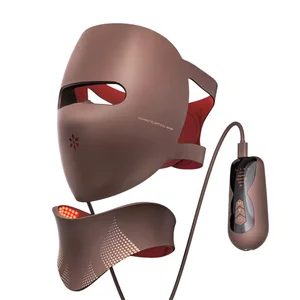
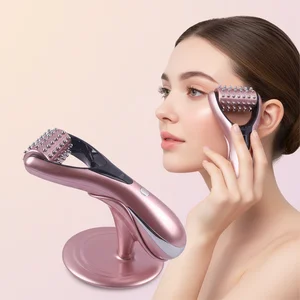
The company's extensive product portfolio covers a wide range of beauty tools, including facial cleansing devices, facial massage tools, skin tightening equipment, LED light therapy devices, microcurrent beauty devices, pore care tools, facial lifting devices, eye care beauty tools, scalp massage equipment, and other home-use skincare technologies. Designed to support modern beauty routines, these products focus on convenience, user experience, and compatibility with various skincare applications.
Operating with a steadfast commitment to product quality, manufacturing consistency, and continuous innovation, Chengdu Osity Beauty Co., Ltd. follows strict quality control procedures throughout product development, component sourcing, assembly, testing, and final inspection. By integrating modern manufacturing technologies and market-oriented product design, the company strives to meet the evolving demands of the global beauty and personal care industry.
In addition to standard product offerings, Chengdu Osity Beauty Co., Ltd. provides flexible OEM and ODM services. Customers can customize product functions, branding, packaging, appearance, and specifications according to their target markets and business requirements. From concept development and prototype creation to mass production and export support, the company offers comprehensive manufacturing solutions for beauty device brands worldwide.
Get authoritative answers on import regulations, technological configurations, customization capabilities, and technical parameters.
Engineered with modern skin stimulation technologies including EMS, high-frequency micro-vibration, and hot/cold thermal compression.
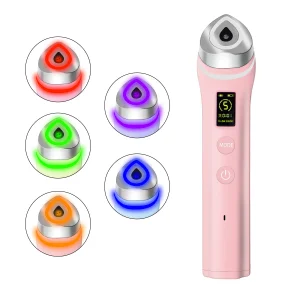
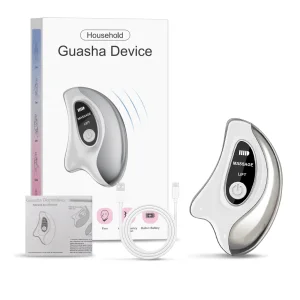
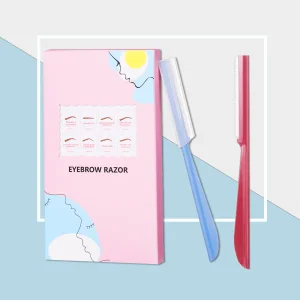
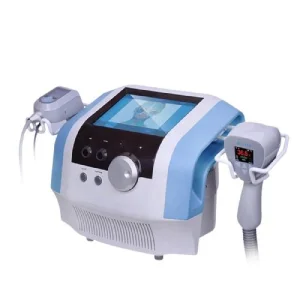

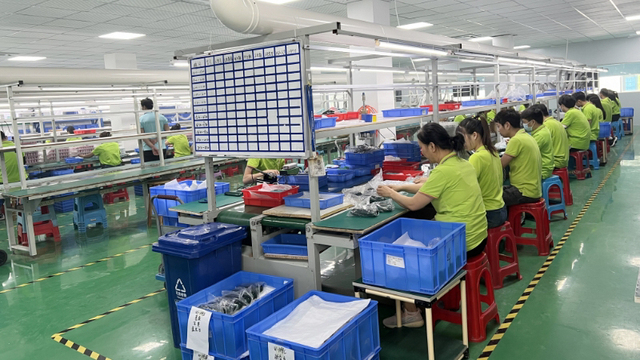
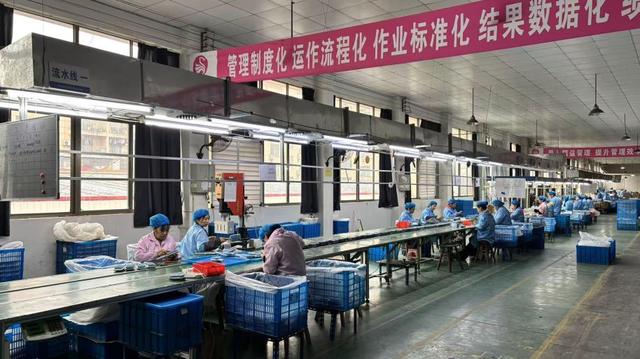
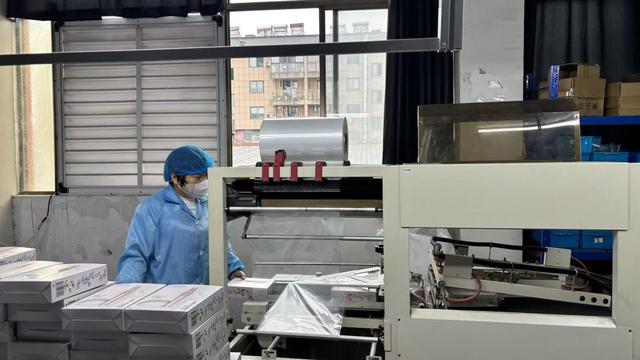
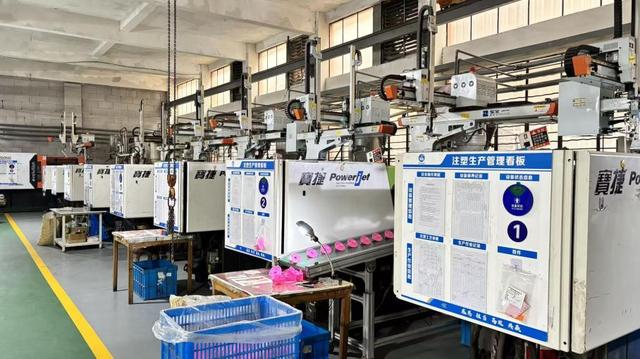
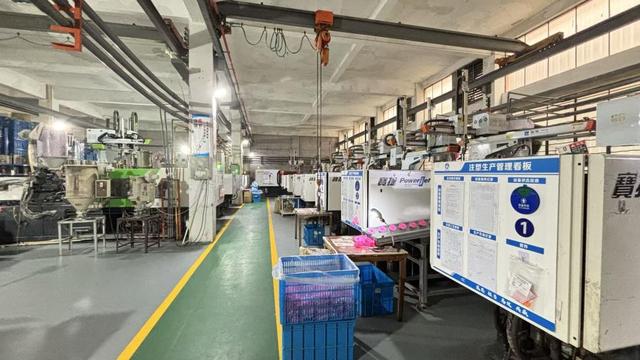
Take a look inside our state-of-the-art production facilities, showcasing clean assembly labs, rigorous quality assurance checks, and raw material sourcing.



 Osity Beauty