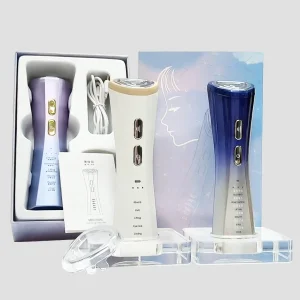
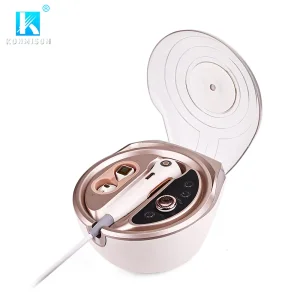
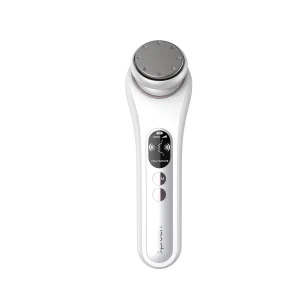
Explore our highly demanded range of facial, neck, scalp, and systemic beauty devices designed for commercial distribution and premium retail lines.
The global hair care and styling technology market is undergoing a rapid transition. Driven by changing consumer demographics, rising disposable incomes, and an increased focus on scalp health, B2B procurement professionals must rethink their vendor selection metrics. Traditional purchasing based simply on unit pricing has been replaced by a demand for systemic solutions that integrate structural durability, ergonomic refinement, and strict international compliance standards.
For global importers, distributors, and e-commerce leaders, identifying a dependable manufacturing partner requires a deep understanding of production dynamics. The top exporters in this space no longer just manufacture hardware; they deliver high-performance styling systems. By integrating advanced thermodynamic engineering with scalp-stimulating technologies, premium manufacturers provide products that safeguard biological structures while achieving professional-grade aesthetic results.
How industry-leading styling tool manufacturers address supply chain bottlenecks, inventory risks, and market-specific demands across the continents.
Exporters maintain component stockpiles and rely on dual-source raw materials to shield global buyers from localized supply shocks, ensuring consistent production timelines.
From conceptual styling aesthetics and high-precision CAD modeling to injection molding and final product assembly, our comprehensive design solutions accelerate time-to-market.
Products are developed from the ground up to satisfy regional standards, simplifying market access through pre-certification for regions including North America, Europe, and Asia-Pacific.
Strategic supply lines are moving away from basic resistive heating elements to embrace multi-wavelength phototherapy, high-frequency microcurrents, and ergonomic smart tools.
B2B purchasers who study the Search Quality Rater Guidelines know that "Information Gain" is crucial. Standard hair tools often cause heat-induced moisture loss, structural damage to the hair shaft, and localized scalp irritation. Advanced product developers address these issues by combining thermal science with biological wellness technologies.
Traditional PTC heaters are being replaced by high-speed ceramic MCH heating elements paired with active microcontrollers. These sensors measure surface heat up to 100 times per second, ensuring uniform temperatures that styling tools require to protect delicate hair cuticles.
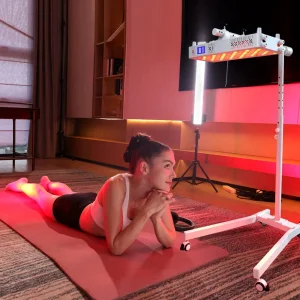
Modern hair and scalp care systems increasingly integrate LED Red Light Therapy (630nm–660nm) and Low-Level Laser Therapy (LLLT). Delivering these therapeutic wavelengths directly to the scalp during massage routines stimulates blood circulation, encouraging cellular recovery at the hair root.
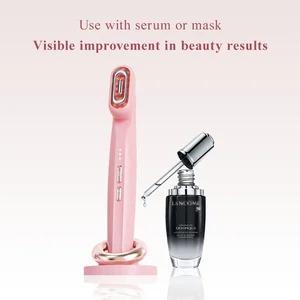
Modern designs utilize gentle EMS (Electrical Muscle Stimulation) and high-frequency RF (Radio Frequency) systems. Originally developed for facial skin firming, these technologies are now applied to scalp massage tools. They help open pores, improve serum absorption, and revitalize structural tissues.
This technological convergence explains why major beauty exporters are expanding their portfolios. Scalp-hygiene devices, high-frequency wand massagers, and microcurrent lifting units work alongside traditional hair curlers and straighteners to form a comprehensive aesthetic routine. Buyers who source these complementary technologies together can offer cohesive retail solutions that drive higher average order values.
An inside look at the R&D capabilities, product range, and quality systems of one of the industry's premier beauty and wellness tool manufacturers.
Chengdu Osity Beauty Co., Ltd. is a professional beauty tools manufacturer specializing in the research, development, production, and supply of facial care devices, skin rejuvenation equipment, and home beauty solutions for global markets. The company serves beauty brands, distributors, retailers, e-commerce sellers, and private label partners seeking reliable manufacturing support and innovative personal care products.
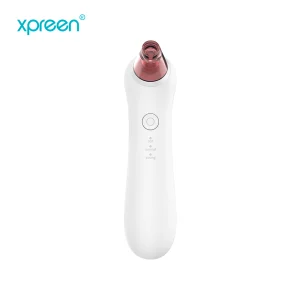
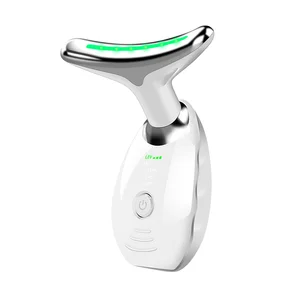
The company's product portfolio covers a wide range of beauty tools, including facial cleansing devices, facial massage tools, skin tightening equipment, LED light therapy devices, microcurrent beauty devices, pore care tools, facial lifting devices, eye care beauty tools, scalp massage equipment, and other home-use skincare technologies. Designed to support modern beauty routines, these products focus on convenience, user experience, and compatibility with various skincare applications.
Chengdu Osity Beauty Co., Ltd. operates with a commitment to product quality, manufacturing consistency, and continuous innovation. The company follows strict quality control procedures throughout product development, component sourcing, assembly, testing, and final inspection. By integrating modern manufacturing technologies and market-oriented product design, the company strives to meet the evolving demands of the global beauty and personal care industry.
In addition to standard product offerings, Chengdu Osity Beauty Co., Ltd. provides flexible OEM and ODM services. Customers can customize product functions, branding, packaging, appearance, and specifications according to their target markets and business requirements. From concept development and prototype creation to mass production and export support, the company offers comprehensive manufacturing solutions for beauty device brands worldwide.
With a focus on long-term cooperation and product innovation, Chengdu Osity Beauty Co., Ltd. continues to deliver beauty tools and home beauty solutions that support the growth of partners across international markets.
Compliance is critical in international B2B commerce. Leading exporters verify their quality standards through internationally recognized testing and certification systems.
Distributors importing styling and skincare devices into highly regulated markets like the US, EU, and UK face strict compliance requirements. A simple manufacturing defect or lack of documentation can stall shipments at customs or lead to product recalls. Premium suppliers mitigate these risks by securing key certifications:
| Certification | Target Regions | Quality / Technical Focus | Sourcing Significance |
|---|---|---|---|
| FDA 510(k) Cleared | United States | Medical-grade electrical safety, skin contact material safety. | Mandatory for medical claims and professional distribution. |
| CE (LVD / EMC) | European Union | Low voltage safety limits, electro-magnetic interference shields. | Required for standard commercial distribution across Europe. |
| UKCA & UKAS | United Kingdom | Harmonized electrical and environmental insulation checks. | Essential for importing into the United Kingdom market. |
| MDSAP & TGA | Australia, Canada, Japan | Multi-country medical device single audit program quality check. | Confirms compliance with global quality and regulatory standards. |
Reputable exporters implement strict Quality Control (QC) frameworks. This begins with incoming inspections of heating plates and battery cells (IQC), continues with in-line testing of thermal circuits and motor performance (IPQC), and finishes with functional verification and drop testing (FQC/OQC). This meticulous process helps keep return rates well under the 0.5% industry average.
Answers to common technical, logistics, and manufacturing questions for global beauty and hair device buyers.
A look inside our ISO-certified production facilities, assembly lines, engineering departments, and quality testing labs.

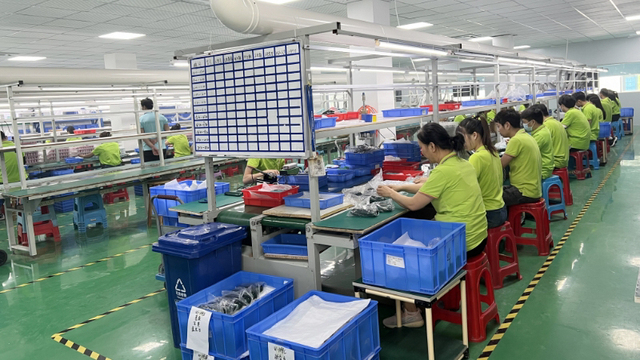
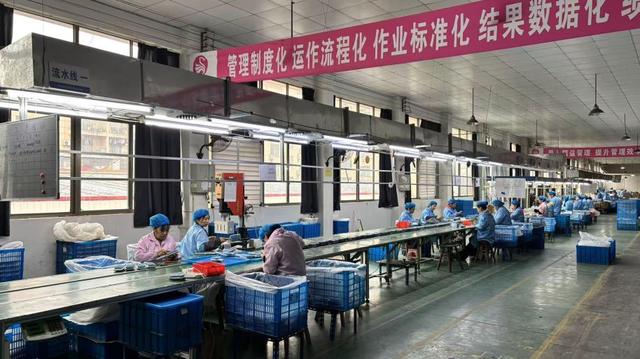
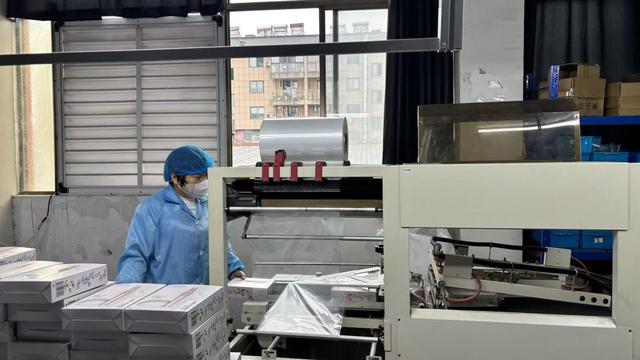
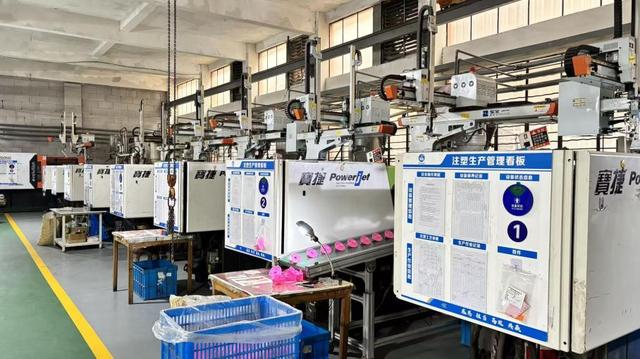

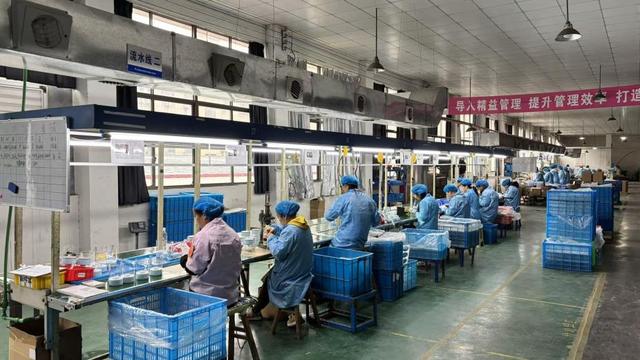
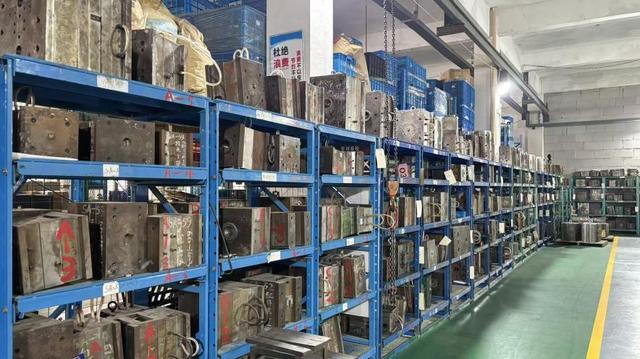
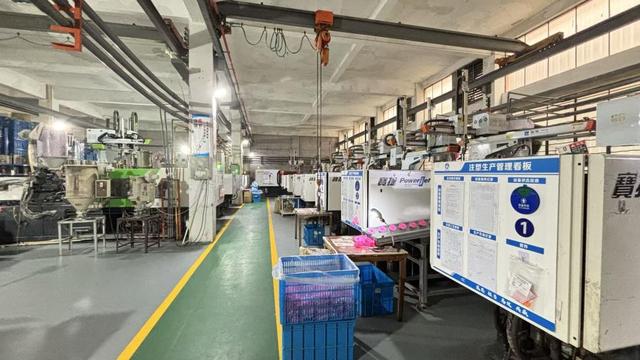
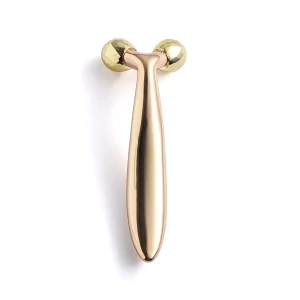
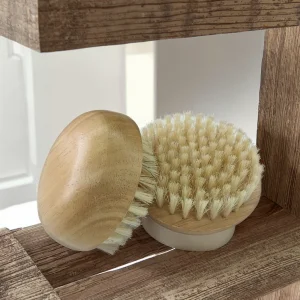
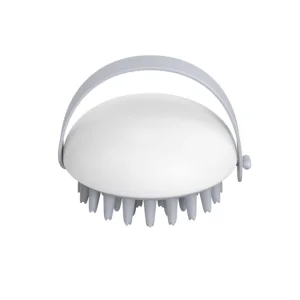
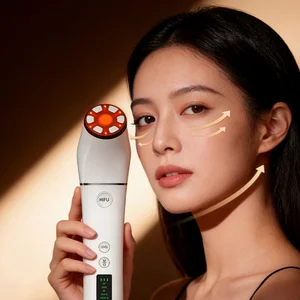
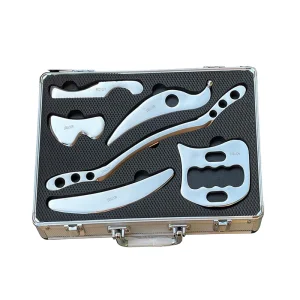
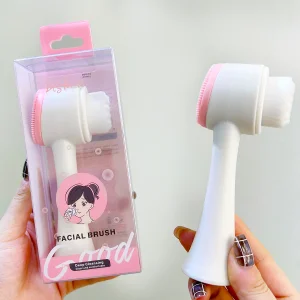
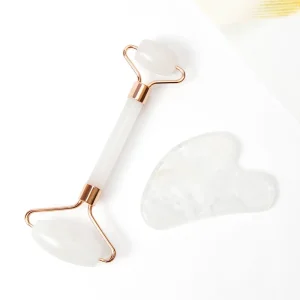
Our remaining core products feature skin scraping, scalp scrubbing, photon therapy panels, and facial rollers optimized for clean beauty operations.
 Osity Beauty