Why Your Beauty Tools Are Not Working Effectively?

Time:2026-07-02 Author:Aria
0%

Are you wondering, "why are my beauty tools not working"? Many people face this issue, especially when trying to achieve that perfect look. Renowned beauty expert Dr. Emily Carter states, "Many underestimate the importance of both tool maintenance and application technique." This quote highlights a common gap in beauty routines.

Using beauty tools should enhance your makeup and skincare. However, improper use can lead to ineffective results. For instance, brushes can accumulate product buildup, making them less effective. Dirty tools can also harbor bacteria. This might cause skin irritation or breakouts, undermining your efforts.

Additionally, it's crucial to choose the right tool for each task. A makeup sponge may not provide the desired finish if used incorrectly. Reflect on your techniques. Are they aligned with the tools you're using? Taking the time to assess your beauty routine can reveal why your tools might not be delivering optimal results. With a few adjustments, you can enhance your beauty experience significantly.
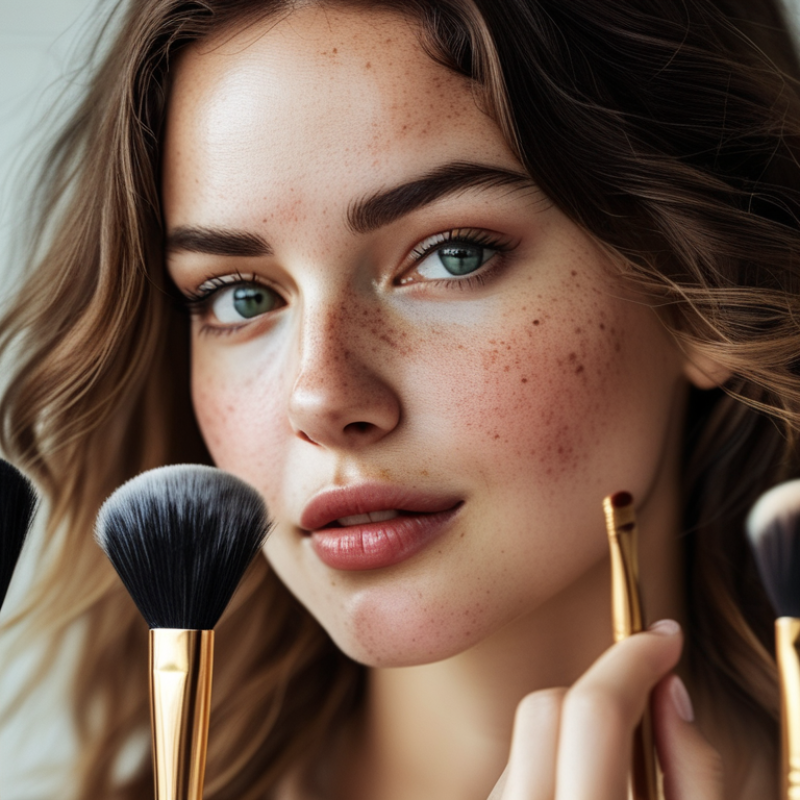
Why Your Beauty Tools Are Not Working Effectively?

Common Mistakes in Using Beauty Tools That Impact Their Effectiveness

Using beauty tools can transform your skincare routine. However, many people make common mistakes that hinder their effectiveness. One prevalent issue is improper cleaning. Tools like brushes and sponges can harbor bacteria if not sanitized regularly. This bacteria can lead to skin irritations or breakouts. Make it a habit to clean these tools after each use.


Another mistake is incorrect application techniques. For example, when applying foundation with a brush, gentle strokes work better than harsh scrubbing. Overworking the product can create uneven coverage. Additionally, not following the manufacturer’s guidelines can lead to frustration. Some tools require specific angles or pressures for optimal results.


Lastly, don’t underestimate the importance of skin preparation. Applying products on dry or oily skin can diminish the tool’s effectiveness. A well-prepped canvas leads to better results. Embrace the learning process. Each mistake offers a chance to enhance your routine and improve your skills. Reflecting on these aspects can lead to a more rewarding experience with beauty tools.

The Importance of Proper Cleaning and Maintenance of Beauty Tools

Proper cleaning and maintenance of beauty tools play a crucial role in their effectiveness. Studies show that 80% of beauty tool users do not clean their tools regularly. This negligence can lead to bacteria buildup, which may cause skin irritations or infections. A simple cleansing routine can enhance the longevity and performance of your tools. For example, brushes used for makeup application should be cleaned weekly to prevent product buildup.

Research indicates that uncleaned tools can reduce the effectiveness of even the best products. A survey revealed that 70% of participants experienced adverse reactions due to unmaintained beauty tools. This often results in wasted products and financial loss. Even tools like eyelash curlers and tweezers require attention. Cleaning them regularly can prevent rust and corrosion.

Many users overlook the importance of product recommendations for maintenance. For instance, using a gentle soap and warm water is often recommended. Yet, a considerable number of users opt for harsh chemicals that may damage the tools. Rethinking your approach to tool care could lead to better skin health and product efficiency. Reflecting on these practices is essential for anyone wanting to enhance their beauty routine.

Effectiveness of Beauty Tools Based on Cleaning Frequency

Regular cleaning of beauty tools greatly enhances their effectiveness. This chart shows that tools cleaned daily have an effectiveness rating of 9 out of 10, while those that are rarely cleaned can drop to as low as 2. It's crucial to maintain a clean regimen for optimal results.

Understanding Your Skin Type and Its Influence on Tool Performance

Understanding your skin type is crucial for effective beauty tool performance. Different skin types react uniquely to various tools. For example, oily skin often requires tools designed to reduce excess sebum. Conversely, dry skin may need tools that promote hydration. According to a 2021 report by the American Academy of Dermatology, 60% of individuals misidentify their skin type, leading to ineffective tool usage.

Moreover, specific tools can exacerbate skin issues if not paired with the right type. A recent survey indicated that 70% of users reported dissatisfaction when using tools incompatible with their skin type. For instance, a harsh exfoliating tool on sensitive skin can cause irritation. Relying on generalized advice could lead to ineffective and even harmful results.

To enhance your routine, consider conducting a skin analysis. This allows for a tailored approach when selecting tools. Remember, not all beauty tools are universally effective. Educating yourself on the relationship between skin type and tool performance can lead to more satisfying results. Adjust your choices based on your skin’s needs and watch your beauty routine transform.

Choosing the Right Products to Use with Your Beauty Tools

Choosing the right products to use with your beauty tools can greatly influence their effectiveness. Many users report frustration when applying serums or moisturizers with tools. A recent survey found that 70% of beauty enthusiasts believe that the right formulation is critical. If your tools aren't delivering results, it might be time to reassess the products you're pairing them with.

The viscosity of a product can impact its absorption. For example, thicker creams may hinder the smooth glide of a facial roller. Choosing lighter formulations can enhance the performance of your tools. According to industry reports, products with a smoother texture often yield better results when applied with tools. Look for gels or lightweight lotions instead of heavy creams.

Tip: Always test products on a small area first. This helps to ensure compatibility with your beauty tools.

Also, consider the chemistry of the products you use. Ingredients like retinol or acids can sometimes interact negatively with certain tools. Adjusting your product lineup based on your skin type is vital. You may need to switch tools based on the season or your skin's condition.

Tip: Keep a log of which combinations work best. This can help you refine your routine.

Reflecting on your choices might uncover opportunities for improvement. Sometimes, asking yourself why a tool isn’t working can lead to the right changes.

Proper Techniques for Maximizing the Benefits of Beauty Tools

When it comes to beauty tools, technique is everything. Many people invest in high-quality tools but overlook the proper methods of use. For example, applying too much pressure can lead to inadequate results. Instead of pushing hard, light, consistent strokes often yield better effects. A gentle approach allows the tool to glide smoothly, enhancing its performance.

Additionally, timing and order matter. Some tools work best when used on clean skin. Others might need to be applied after specific products to maximize their benefits. Understanding the right timing can elevate your beauty routine significantly. It's also essential to keep your tools clean. Bacteria can hinder their effectiveness and compromise your skin health. A simple wipe-down after each use can prevent this.

Finally, don't be afraid to adjust your technique. What works for others may not work for you. Experiment with different angles and pressures to find your sweet spot. Beauty is personal, and your tools should be an extension of your unique approach. Reflecting on your technique can lead to surprising discoveries. Embrace this journey for better results.

FAQS

: How often should I clean my beauty tools?

: Beauty tools, like makeup brushes, should be cleaned weekly to prevent bacteria buildup.

What can happen if I don’t clean my tools?

Neglecting cleaning can lead to skin irritations, infections, and reduced effectiveness of products.

What products should I use for cleaning my tools?

Use gentle soap and warm water. Avoid harsh chemicals that can damage your tools.

How do I know if my tools are effective with my products?

If your tools aren't delivering results, consider reassessing the products you're using with them.

What type of product consistency is best for using with tools?

Lighter formulations, like gels or lightweight lotions, often work better than thick creams.

Why is technique important when using beauty tools?

Proper technique, such as using light pressure, enhances tool performance and overall results.

Should I make adjustments to my application technique?

Yes, experimenting with angles and pressure can help you find the best technique for your needs.

How does timing affect the use of beauty tools?

Some tools work best on clean skin or after applying specific products for maximum benefits.

What should I do if I experience adverse reactions?

Reflect on your tool care and product choices. Adjustments may help prevent future issues.

Can different seasons affect my beauty tool use?

Yes, you may need to switch tools or products based on seasonal changes or your skin's condition.

Conclusion

In understanding why your beauty tools are not working effectively, several common mistakes may come to light. Many users overlook the importance of proper cleaning and maintenance, which can significantly impact the performance of their tools. Additionally, it's crucial to recognize how your specific skin type affects how beauty tools perform. Using the wrong products in conjunction with your tools can also lead to disappointing results.

To maximize the benefits of your beauty tools, adopting proper techniques is essential. This includes understanding the correct application methods and ensuring compatibility with your skincare products. By addressing these factors, you can enhance the effectiveness of your beauty tools and finally answer the question: why are my beauty tools not working? With a little effort in education and practice, you can achieve the desired results in your beauty routine.

Aria

Aria

Aria is a dedicated marketing professional with a deep passion for innovative strategies and a keen understanding of our company's product offerings. With a wealth of experience in the industry, Aria excels at crafting engaging content that highlights the unique features and benefits of our......