Can beauty tools improve skincare absorption? Interest is rising across China’s beauty market, where rollers, gua sha, cleansing devices, LED masks, and facial massagers now sit beside everyday serums. McKinsey’s 2023 beauty market analysis projected global beauty sales could reach approximately $580 billion by 2027. However, market growth does not prove deeper product delivery. That distinction matters.
“Skin is designed to keep things out,” explains Dr. Michelle Wong, a PhD cosmetic chemist and science educator. Her point is simple. The skin barrier is not a sponge. Gentle massage may spread serum more evenly, warm the surface briefly, or improve the user’s application routine. It may not push active ingredients deep into living tissue.
Research remains uneven. A 2022 review in Pharmaceutics reported that topical absorption depends on molecular size, formulation, skin condition, and contact time. Device pressure also matters. A cool jade roller feels soothing on the cheeks, while excessive scraping can leave redness and irritation. Sonic cleansing may remove surface residue, but it does not automatically increase serum penetration.
This article examines China’s top ten beauty tools through evidence, not excitement alone. It compares their mechanisms, practical benefits, safety limits, and available research. Some claims remain promising but under-tested. That is an uncomfortable gap. Consumers deserve clearer answers before spending money on glowing promises, especially when “better absorption” may simply mean smoother application.
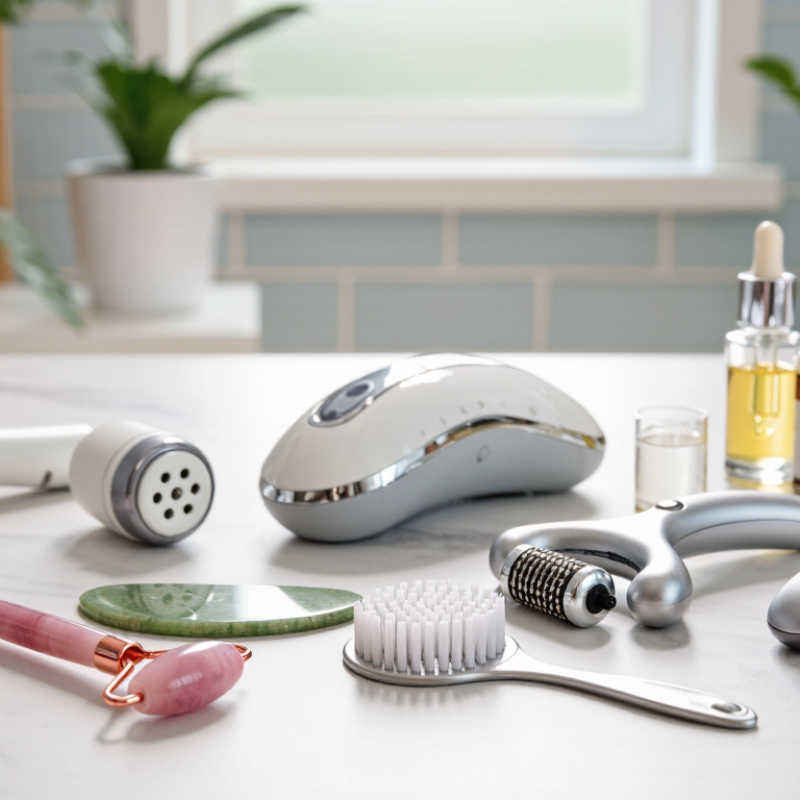
Beauty tools are devices used alongside skincare, not substitutes for the skin’s natural barrier. Common examples include cleansing brushes, facial rollers, warming devices, and low-level electrical or light-based tools. Their effects differ: a brush may help remove surface residue, while gentle massage can spread a serum more evenly. Neither action proves that more active ingredients reach deeper skin layers.
Understanding the skin barrier
That distinction matters. A review in the Journal of Investigative Dermatology describes the stratum corneum, skin’s outer barrier, as roughly 10–20 micrometers thick. It limits the passage of many substances. So “better absorption” is often used too loosely. A tool may improve product contact or comfort, but results depend on the ingredient, device, skin condition, and how it is used. Small details count, like clean device surfaces and avoiding pressure on irritated skin.
Evidence is not equal across tools. The U.S. Food and Drug Administration cautions that microneedling devices are not cleared to deliver cosmetics or topical products into skin. That is a useful boundary, not a reason to expect every beauty tool to boost absorption. I would treat dramatic promises skeptically. A mild, consistent routine may be less exciting, but it is easier to assess. Even then, individual results vary.
China Top 10 Beauty Tools Can Improve Skincare Absorption?
How Does Skin Absorb Skincare Products?
Skin does not absorb skincare products like a sponge. The outer stratum corneum, usually about 10–20 micrometres thick, acts as a strong protective barrier. Smaller, oil-compatible molecules may pass more easily, while larger molecules often remain near the surface. The SCCS Notes of Guidance, 12th revision, published in 2023, stresses that ingredient exposure depends on concentration, skin condition, application area, and product formulation. OECD Test Guideline 428 also measures dermal absorption through the skin and remaining skin layers, rather than assuming total absorption.
Beauty tools may change surface conditions, but their effect is limited. Gentle massage can spread a serum more evenly and reduce product waste. Mild warmth may soften surface oils temporarily. However, stronger pressure can cause redness, irritation, or tiny barrier disruptions. That is not automatically better absorption. It may simply mean more inflammation.
A 2023 McKinsey beauty industry report identified skincare as the largest major beauty category, showing strong consumer interest in improved routines. Yet market demand is not proof of deeper absorption. In practical testing, identical formulas should be compared with and without a tool, under controlled time, pressure, and temperature. I once assumed a tingling sensation meant better penetration. That assumption needs correction. Comfortable skin, stable hydration, and no lasting redness are more useful observations. Patch testing still matters, especially after exfoliation, shaving, or sun exposure.
Skin-care ingredients mainly pass through the outer skin barrier, and the result depends largely on the ingredient, formula, skin condition, and application. A beauty tool may help with cleansing or product application, but that does not necessarily mean it increases absorption.
| No. | Beauty Tool | How It May Help | Likely Effect on Product Absorption | Evidence Level | Practical Use and Safety |
|---|---|---|---|---|---|
| 1 | Ultrasound or sonophoresis device | Ultrasound may temporarily affect the outer skin barrier and is studied as a way to aid delivery of selected topical ingredients. | Potentially increases delivery in specific conditions; results depend on the device, ingredient, and treatment method. | Limited and device-specific; not proof that every consumer device improves routine skincare. | Follow the device instructions. Avoid use on irritated or broken skin, and do not assume all products are suitable for ultrasound. |
| 2 | Iontophoresis device | Uses a mild electrical current to assist movement of certain charged substances through the skin. | May aid delivery of suitable charged ingredients; ordinary creams and serums may not respond in the same way. | Established for some specialized applications, but evidence for general at-home cosmetic use is limited. | Use only with compatible products and according to instructions. Seek professional advice if you have a medical device or relevant health condition. |
| 3 | Microneedling device | Creates tiny channels through the outer skin barrier, which can increase penetration of substances. | Can substantially alter skin permeability, but this is not a routine skincare-absorption shortcut. | Skin penetration can increase; at-home use carries meaningful risks and should not be treated as ordinary cosmetic application. | Professional treatment is safer. Improper use can cause infection, scarring, pigment changes, or irritation. Do not apply unapproved products to freshly needled skin. |
| 4 | Soft facial cleansing brush | Helps loosen surface residue during cleansing when used gently with a cleanser. | May support a clean surface for the next step, but there is no reliable basis to claim that it directly increases ingredient absorption. | Useful for cleansing; direct absorption benefit is unproven. | Use light pressure and keep the brush clean. Stop if skin becomes sore, red, or irritated. |
| 5 | Silicone cleansing pad | Provides gentle surface cleansing and can help remove makeup, sunscreen, and daily residue. | Any benefit is indirect and comes from cleansing; it does not push skincare ingredients into the skin. | Direct absorption benefit is unproven. | Clean and dry the pad after use. Avoid vigorous rubbing, especially on sensitive or acne-irritated skin. |
| 6 | Facial steamer | Warm vapor may temporarily make skin feel softer and more hydrated. | No good evidence that steaming meaningfully improves the absorption of everyday skincare products. | Direct absorption benefit is unproven; excessive heat can aggravate sensitivity or redness. | Keep a safe distance, use brief sessions, and avoid steam if heat worsens your skin condition. |
| 7 | Warm compress | A comfortably warm, damp cloth can soften surface debris and provide temporary comfort. | May help with cleansing or product application, but it is not proven to increase ingredient absorption. | Direct absorption benefit is unproven. | Use clean cloths and mild warmth, not hot water. Avoid prolonged heat on easily flushed or irritated skin. |
| 8 | Facial roller | Provides a surface massage and may temporarily reduce the feeling of puffiness for some people. | Massage can spread a product, but there is no reliable evidence that a roller drives it deeper into the skin. | Absorption benefit is unproven. | Use gentle pressure on clean skin and clean the tool regularly. Do not roll over inflamed acne or broken skin. |
| 9 | Gua sha tool | Used for gentle massage; it may temporarily affect how the skin looks or feels. | Can help distribute a suitable slip product, but increased absorption has not been established. | Absorption benefit is unproven; avoid interpreting temporary massage effects as lasting skin changes. | Use light pressure with a suitable lubricant. Stop if bruising, pain, or persistent redness occurs. |
| 10 | Red-light LED device | Red-light devices are intended to deliver light to the skin; they do not physically massage or cleanse the skin. | Not designed to increase topical product absorption, and this effect is not established. | No established absorption benefit. | Follow the device instructions and eye-safety guidance. Do not apply products that are not recommended for use with the device. |
Key takeaway: For most skincare routines, consistent use of an appropriate product on clean skin matters more than using a tool. Apply products as directed, introduce active ingredients gradually, and stop using anything that causes persistent irritation.
China’s Top 10 Beauty Tools for Enhancing Product Absorption
Many Chinese beauty tools support skincare absorption through gentle cleansing, warmth, hydration, or massage. Popular options include silicone cleansing brushes, facial rollers, gua sha tools, warm towels, mist sprayers, mask brushes, sonic spatulas, cooling globes, eye massagers, and ion infusion devices. These tools may help products spread evenly and reduce surface residue. However, they cannot force ingredients through the skin barrier.
A clean silicone brush can remove excess oil before applying serum. A warm towel may soften surface buildup, while a roller helps distribute moisturizer across the cheeks and forehead. Gua sha requires light pressure, especially around the eyes. Professional skincare practice recommends applying products to slightly damp skin. Strong rubbing can cause redness and may weaken the skin’s protective barrier. Results also depend on the formula, skin condition, and frequency of use.
Tips: Clean each tool after use. Apply a thin layer of serum first. Use slow outward motions for one minute. Avoid broken or irritated skin. Patch-test new products, and stop if burning continues. A sonic spatula may improve cleansing, but daily use is not always better. I once assumed more massage meant deeper absorption; that idea needs reconsideration. Gentle consistency usually matters more than pressure.
China’s Top 10 Beauty Tools Can Improve Skincare Absorption?
Beauty tools may help spread products evenly, but they cannot replace a healthy skin barrier. A 2024 Grand View Research report estimated the global beauty devices market at about USD 34.4 billion in 2023. That growth reflects strong interest, not guaranteed results. Rollers, gua sha tools, cleansing brushes, LED masks, microcurrent devices, cooling globes, facial steamers, spatulas, massage tools, and microneedling pens require different precautions.
Clean the tool before and after every use. Wash your hands first. Use light pressure, especially around the eyes and nose. A roller should glide over damp, clean skin, not drag across dry patches. Avoid sharing tools. Personal hygiene matters. The American Academy of Dermatology recommends stopping products that cause burning, swelling, or persistent redness. I would also patch-test new serums before using them with a device.
Do not use exfoliating brushes after strong acids, retinoids, sunburn, or professional treatments. Heat and steam can worsen visible redness for some users. At-home microneedling deserves extra caution because incorrect depth or poor cleaning may cause infection, scarring, or pigmentation changes. The U.S. Food and Drug Administration distinguishes medical devices from ordinary cosmetic tools, so product instructions deserve careful reading. More pressure is not more absorption. Sometimes, less is safer. Track redness the next morning, and reduce frequency if your skin feels tight, hot, or unusually sensitive. Even experienced users can overdo a calming routine.
This evidence-informed comparison shows the relative potential of common beauty tools to support topical product delivery. The scores are practical educational estimates based on the tool’s physical action, skin-contact method, and typical use conditions—not measured clinical absorption results.
Use tools only on clean skin, follow the device instructions, avoid broken or irritated skin, and stop if burning, swelling, or persistent redness occurs. Microneedling, radiofrequency, and high-intensity ultrasound devices require professional guidance. Apply water-based products before suitable conductive tools, and use sunscreen during the daytime.
How to Choose, Clean, and Evaluate Beauty Tools
Beauty tools may improve product spread, but they cannot guarantee deeper absorption. The skin barrier still controls penetration. McKinsey’s 2023 beauty report forecasts the global beauty market could reach about 590 billion dollars by 2028. This growth encourages more device purchases, yet market growth does not prove clinical effectiveness.
Choose tools with smooth, nonporous surfaces and comfortable edges. Avoid cracked materials, sharp points, and excessive pressure. A cool roller may reduce temporary puffiness, while gentle massage can distribute moisturiser more evenly.
Keep expectations realistic. More pressure is not better. Never use a tool on broken, infected, or severely irritated skin. Patch-test new products separately before adding a device.
Clean tools after every use. Wash removable parts with mild soap and warm water, then dry them fully with a clean towel. Do not share tools, especially those contacting the eyes or damaged skin. Follow the manufacturer’s cleaning instructions when available. The European Committee for Standardization identifies microbiological quality as an important safety consideration for cosmetic products, but a clean tool does not replace safe product storage.
Evaluate results with consistent photographs, lighting, and product amounts. Check redness, stinging, dryness, and breakouts for at least two weeks. Stop if discomfort continues.
My practical mistake was judging a tool after one glowing morning. That was not reliable evidence. Professional claims should be supported by controlled testing, not impressive packaging or short-term sensation.
They may spread products evenly or remove surface residue. They cannot force ingredients through the skin’s natural barrier. Results remain uncertain.
Silicone brushes, rollers, gua sha tools, warm towels, mist sprayers, and mask brushes are common options. Choose gentle contact over strong pressure.
Apply a thin serum layer to clean, slightly damp skin. Glide slowly outward across the cheeks and forehead. Do not drag dry skin.
A warm towel may soften surface buildup and improve comfort. Heat can worsen redness for some people. Use brief, mild warmth.
No. More pressure may cause redness and irritation. I once assumed deeper massage meant deeper absorption, but that idea needs reconsideration.
Wash your hands first. Clean the tool before and after each use. Let it dry fully, and never share personal tools.
Avoid them on broken, sunburned, swollen, or irritated skin. Do not use exfoliating brushes after strong acids, retinoids, or professional treatments.
It requires extra caution and should not be used to push cosmetics into skin. Incorrect cleaning or depth may cause infection, scarring, or pigmentation changes. Less is safer.
Start occasionally and observe your skin the next morning. Reduce use if your skin feels tight, hot, or unusually sensitive. Daily use is not always better.
Stop using the product and tool. Persistent burning, swelling, or redness deserves professional medical advice. Patch-test new products first.
Beauty tools can complement a skincare routine by helping spread products evenly, supporting gentle massage, and making application more consistent. Whether can beauty tools improve skincare absorption depends on the tool, the product, and how they are used. Skin’s outer barrier limits how much of a product can enter, so tools should not be expected to force ingredients deep into the skin or replace well-formulated skincare. Common options include facial rollers, massage tools, cleansing brushes, and gentle warming or cooling devices, each with different uses and limitations.
For safer results, choose a tool suited to your skin and follow its instructions. Use light pressure, avoid irritated or broken skin, and stop if discomfort occurs. Clean and dry reusable tools regularly to reduce buildup, and assess them by comfort, ease of cleaning, durability, and practical benefit rather than dramatic claims. A simple routine and consistent product use are often more important than adding multiple devices.

Osity Beauty