Cleaning beauty tools is essential for maintaining healthy skin and achieving flawless makeup results. According to Dr. Emily Carter, a renowned dermatologist, "Dirty tools can harbor bacteria and cause skin issues." This highlights the importance of knowing how to clean beauty tools properly.
Using dirty brushes and sponges can lead to breakouts and irritation. Yet, many people overlook cleaning these essential tools. A simple routine can make a significant difference. Regularly cleaning your beauty tools not only prolongs their lifespan but also keeps your skin healthy.
Investing time in this task may seem tedious. However, the results are worth it. Developing a proper cleaning routine can enhance your beauty application. Remember, skin health is paramount, and clean tools are a crucial part of that equation.
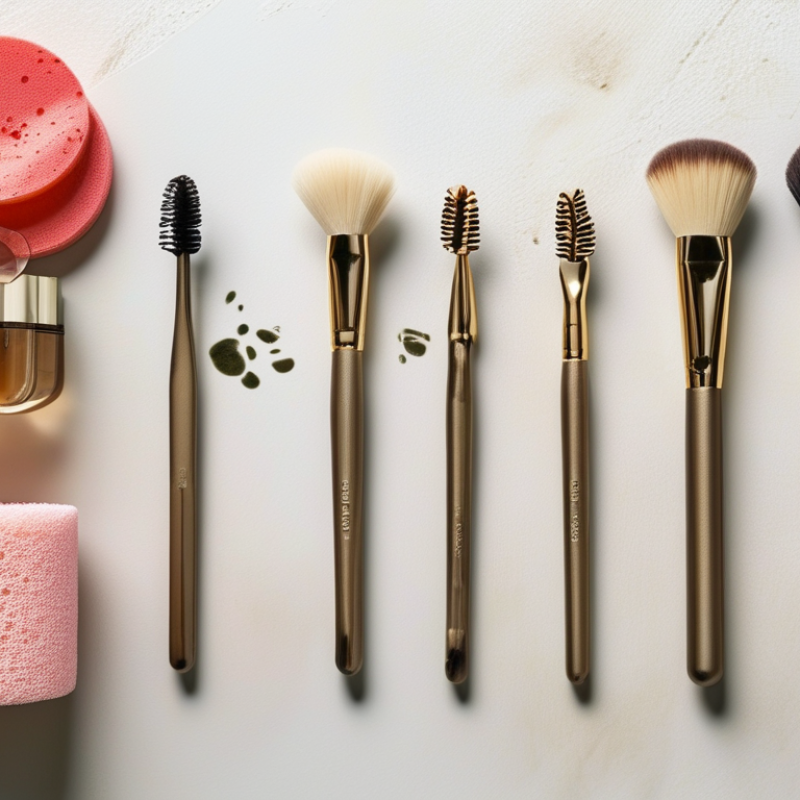
Cleaning beauty tools is essential for maintaining healthy skin and achieving flawless results. Research indicates that nearly 90% of makeup brushes harbor bacteria, which can lead to breakouts and skin irritation. Understanding the importance of cleaning your tools cannot be overstated. Regular cleaning aids in preventing the spread of germs and keeps your beauty arsenal in top shape.
When your brushes accumulate dirt, oils, and makeup residue, they can compromise your applications. It’s not just about appearance; dirty tools can trigger skin reactions. Studies show a direct correlation between unclean brushes and skin issues, highlighting the need for rigorous hygiene practices. Cleaning your tools consistently enhances product performance, allowing makeup to apply smoothly and evenly.
Tips for cleaning: Use a mild soap or brush cleanser to gently wash your brushes. Rinse thoroughly with lukewarm water to remove all soap residue. Don’t forget to reshape the bristles and lay brushes flat to dry. For sponges, rinse them immediately after use to prevent bacteria buildup. Regularly clean your tools using these practices to observe improved results and healthier skin. Set a schedule: monthly deep cleans can be a simple starting point. Make it a habit, and notice the difference.
Cleaning your beauty tools is crucial for achieving the best results. However, having the right supplies is equally important. Start with some gentle soap or a specialized brush cleaner. These will help remove makeup residue and bacteria without damaging your tools. A clean cloth or paper towel can be very helpful for drying.
You may also want to use rubbing alcohol as a disinfectant. It eliminates germs effectively. A small bowl can help hold your cleaning solutions while you work. Cotton swabs are excellent for cleaning intricate areas, like the base of brushes. Remember to soak your tools properly but avoid submerging wooden handles in water.
While it's easy to forget about cleaning, neglecting this step can lead to dull brushes and skin issues. Regular maintenance doesn't just prolong tool life; it also enhances your makeup application. Reflect on your cleaning routine to identify gaps. Perhaps a dedicated cleaning day each week could change the game. Ultimately, being proactive about your beauty tools will yield better results.
Cleaning makeup brushes is crucial for skin health. Dirty brushes can harbor bacteria, leading to breakouts and irritation. Many people overlook this step. A proper cleaning routine is essential for using tools effectively.
Start by gathering your brushes and tools. You’ll need lukewarm water, a gentle cleanser, and a clean towel. Avoid hot water as it can damage bristles. Wet the bristles under running water, keeping the ferrule away from water to prevent loosening. Apply a small amount of cleanser directly to the bristles. Gently swirl the brush in the palm of your hand or a cleaning mat.
Rinse thoroughly until the water runs clear. Squeeze out excess water without pulling on the bristles. Lay the brush flat on a towel to dry. This position prevents water from entering the ferrule. Some brushes will still show residue after cleaning, necessitating a second wash. Observing this can prompt better care practices in the future. Maintaining a regular cleaning schedule can also enhance your makeup application and prolong the life of your tools.
| Step | Description | Recommended Frequency |
|---|---|---|
| 1 | Gather all your brushes and tools, including foundation brushes, eyeshadow brushes, and sponges. | After each use |
| 2 | Rinse the bristles under lukewarm water to remove any makeup residue. | After each use |
| 3 | Apply a mild soap or brush cleaner to the bristles and lather gently. | Weekly |
| 4 | Rinse thoroughly under running water until the water runs clear. | Weekly |
| 5 | Reshape the bristles with your fingers and lay flat on a clean towel to dry. | After each use |
| 6 | For sponges, soak in a gentle cleaner and knead the dirt out, then rinse and let air dry. | After each use |
Beauty sponges are essential tools for achieving a flawless makeup look. However, they can harbor bacteria if not cleaned properly. To disinfect them, start by rinsing the sponge under lukewarm water. This helps to loosen the makeup and grime. Avoid hot water as it can damage the sponge material. Once rinsed, apply a gentle cleanser or soap, and massage it into the sponge. Focus on areas that seem particularly dirty, as buildup often occurs in these spots.
After cleansing, rinse the sponge thoroughly until the water runs clear. This step is crucial, as leftover soap can irritate the skin. Allow the sponge to air dry completely before storing it. Damp sponges can lead to mold growth, which can put your skin at risk. Regularly cleaning your sponges, ideally after every use, is not always easy. Many forget or feel it takes too much time, but adopting this habit is essential for skin health.
Cleaning routines can be improved by setting reminders or creating a schedule. Keep in mind the type of makeup you use. Higher coverage products often leave more residue. This may require a different approach or extra cleaning time. Pay attention to how your skin reacts to your beauty tools. If you notice irritation, it might be time to reflect on your cleaning habits.
Maintaining the longevity of beauty tools is crucial for achieving optimal results in your beauty routine. Frequent use exposes them to bacteria and product residue. Studies show that 52% of makeup users report breakouts due to unclean tools. Regular cleaning is not merely a suggestion but a necessity.
Setting a cleaning schedule is essential. Aim to clean tools weekly to prevent bacteria buildup. Brushes and sponges should be washed with mild soap and warm water. A good practice is to let them air dry. Dry, dirty sponges can harbor 100,000 bacteria per square centimeter. Those numbers are alarming and indicate the importance of this hygiene practice.
Storage also plays a vital role in tool longevity. Opt for a dedicated container to prevent bristle damage. Proper maintenance can extend the life of brushes up to 50%. Remember, using damaged tools can lead to uneven application and skin irritation. Investing time in care pays off in the long run and keeps your beauty game strong.
: Cleaning beauty tools prevents bacteria buildup, which can cause skin issues and enhance makeup application.
Use gentle soap or specialized cleaners. Rubbing alcohol can also disinfect but be careful with wooden handles.
Wet the bristles with lukewarm water, apply cleanser, and swirl gently. Rinse until the water runs clear.
No, hot water can damage the bristles. Always use lukewarm water for cleaning beauty tools.
Ideally, clean sponges after every use. Regular cleaning is essential for skin health and preventing mold.
If residue remains, consider repeating the cleaning process to ensure thorough cleansing.
Many forget or think it's too time-consuming. Reflecting on cleaning habits can prompt better routines.
Set reminders or create a cleaning schedule to build a consistent routine.
Yes, high-coverage products leave more residue. Adjust cleaning practices accordingly for best results.
Reassess your cleaning habits, as poor maintenance can lead to skin irritation.
Properly cleaning beauty tools is essential for maintaining skin health and ensuring optimal makeup application. The process begins with understanding the importance of hygiene in cosmetic tools, as unclean tools can harbor bacteria and lead to breakouts. To effectively clean beauty tools, you'll need essential supplies such as gentle cleansers, disinfectants, and microfiber cloths.
A step-by-step guide to cleaning makeup brushes involves rinsing, applying cleanser, and rinsing again until the water runs clear. Beauty sponges can be disinfected using safe methods like soaking in a vinegar solution or using alcohol wipes. To prolong the life of your beauty tools, regular maintenance and proper storage are key. By following these guidelines on how to clean beauty tools properly, you can ensure a healthier skincare routine and enhanced makeup results.

Osity Beauty