China Top Manual vs Electronic Beauty Tools Which Is Better?

Time:2026-09-14 Author:Sophia
0%

China’s beauty-tool market is expanding quickly, from polished jade gua sha boards to rechargeable cleansing brushes and LED masks. Yet shoppers often ask, “what is the difference between manual and electronic beauty tools?” The answer is not simply traditional versus modern. Each tool creates a different experience, with different levels of control, cost, maintenance, and evidence.

Manual tools depend on the user’s pressure, movement, and consistency. A cool stone roller can feel calming after refrigeration, while a gua sha tool may support a relaxing massage routine. Electronic tools use motors, light, heat, vibration, or microcurrent. They can provide more consistent stimulation, but they also require charging, cleaning, and careful setting selection. More power is not always better.

Cosmetic dermatologist Dr. Dendy Engelman offers a useful reminder: “The best skincare routine is the one you can stick to.” That principle matters when comparing China’s leading manual and electronic beauty tools. A professional may value repeatable performance, while a first-time buyer may prefer simple handling and fewer technical risks. Skin condition matters too. Sensitive skin may react to excessive friction, heat, or frequent device use.

Small details can change the result. A neglected silicone brush may collect residue. A dry gua sha session may feel unnecessarily harsh. Even premium technology cannot replace gentle technique. This comparison will examine performance, safety, convenience, durability, and value. It will also question a common assumption: newer does not automatically mean better.
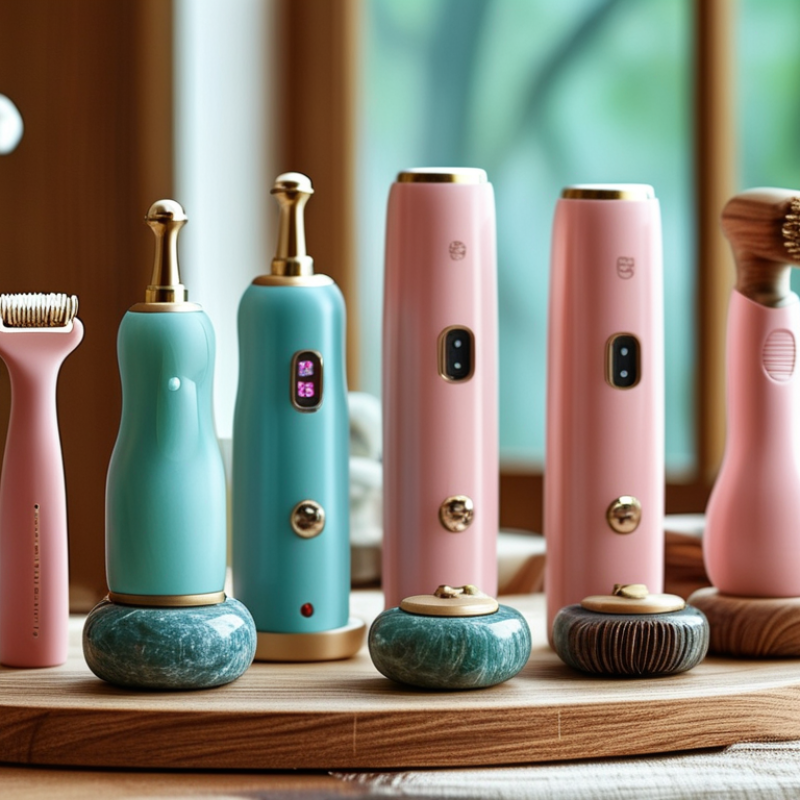
China Top Manual vs Electronic Beauty Tools Which Is Better?

Manual vs Electronic Beauty Tools in China: Definitions, Types, and Uses

In China, beauty tools generally fall into manual and electronic categories. Manual tools rely on hand pressure, rhythm, and technique. Common types include facial rollers, gua sha boards, silicone cleansing brushes, and scalp massagers. They are portable, quiet, and easy to clean. Electronic tools use batteries or electricity. They may offer vibration, microcurrent, heat, cooling, or LED light. Uses range from cleansing and massage to temporary skin-soothing routines.

The market is expanding beyond simple accessories. Grand View Research valued the global beauty devices market at USD 33.77 billion in 2023. It also projects a 15.4% compound annual growth rate from 2024 to 2030. China’s urban consumers increasingly seek compact home-care devices, according to consumer research published by iiMedia Research. Yet market interest does not prove every device works equally well. It is an important distinction.

Manual tools suit beginners who want direct control. A chilled roller may reduce the feeling of facial puffiness after sleep. Gentle massage can also make a routine feel more deliberate. Electronic tools provide consistent settings, but misuse can cause dryness, irritation, or discomfort. Skin sensitivity matters. So does frequency. Patch testing, clean contact surfaces, and instruction-based use are practical safeguards. The manual-versus-electronic choice is not absolute. A sophisticated device can still be poorly used, while a simple tool may fit a careful routine better.

Manual Tools Explained: Pressure, Friction, Rollers, Gua Sha, and User Control

Manual tools remain popular because they make pressure visible and adjustable. Fingers, rollers, and gua sha create direct friction against the skin. This sensation helps users notice tension around the jaw and cheeks. Gentle massage may temporarily improve surface circulation and reduce morning puffiness. It does not permanently reshape facial fat or lift loose skin.

Grand View Research valued the global facial-care market at about $91 billion in 2023. This growth explains the expanding interest in home beauty tools. However, market size is not proof of clinical effectiveness. Electronic tools may add vibration, heat, microcurrent, or cleansing movement. They can feel consistent, but users often lose control over speed and pressure. A manual roller stops immediately when discomfort begins. An electronic device may continue too strongly. That difference matters for sensitive skin, redness, or recently treated areas. Clinical evidence for many home devices remains limited, and some marketing claims sound more certain than the research.

Tips: Use clean tools on moisturized skin. Keep pressure light, especially near the eyes. Move outward, not aggressively upward. Five minutes is enough. Stop when stinging, bruising, or prolonged redness appears. A mirror helps, but it can also encourage overuse. My practical mistake was chasing a sharper jawline with heavier pressure; the result was irritation, not improvement. Check independent clinical guidance before using heat or electrical functions.

China Top Manual vs Electronic Beauty Tools: Which Is Better?

Manual Tools Explained: Pressure, Friction, Rollers, Gua Sha, and User Control

This evidence-informed comparison uses a relative 1–5 scale, where a higher score indicates more direct user control or more consistent mechanical performance. Manual tools typically give users greater control over pressure, friction, movement direction, and treatment speed. Electronic tools generally provide more consistent speed and vibration, but their intensity is controlled mainly through preset settings. These ratings describe operating characteristics rather than clinical results.

Electronic Tools Explained: LED 630–660 nm, RF 1–3 MHz, and Microcurrent

China Top Manual vs Electronic Beauty Tools: Which Is Better?

Electronic tools are not automatically better than manual rollers or massage devices. Their value depends on energy delivery, contact, and consistent use. LED devices using 630–660 nm light are commonly studied for supporting skin appearance and mild redness. A 2023 systematic review in Photodermatology, Photoimmunology & Photomedicine found promising results, but also noted small samples and varied treatment schedules. The evidence is useful, not perfect.

RF devices usually operate between 1 and 3 MHz. They create controlled tissue warming, which may temporarily improve skin firmness. The International Commission on Non-Ionizing Radiation Protection’s 2020 guidance stresses exposure control and device safety. Microcurrent uses very low electrical currents, often measured in microamperes. Clinical evidence remains thinner than marketing language suggests. That gap matters. Manual tools provide pressure and massage without electrical exposure, but technique can cause irritation or bruising.

Tips: Choose wavelength, frequency, and current specifications that are clearly stated. Follow the manufacturer’s timing and avoid pressing hard. Clean the contact surface before use. Stop if you feel burning, persistent redness, or unusual discomfort. People with implanted electronic devices, active skin conditions, or uncertain medical histories should seek professional advice before using electrical tools. I would also record weekly photos under the same light; memory often exaggerates small changes.

China Top Manual vs Electronic Beauty Tools Which Is Better? - Electronic Tools Explained: LED 630–660 nm, RF 1–3 MHz, and Microcurrent

Evaluation Dimension Manual Beauty Tools LED Light Tools
630–660 nm
RF Tools
1–3 MHz
Microcurrent Tools
Core Mechanism Mechanical action
Massage, rolling, scraping, or gentle pressure applied by hand.
Photobiomodulation
Red light in the visible spectrum delivers non-thermal light exposure to the skin.
Radiofrequency energy
Alternating electromagnetic energy produces controlled tissue heating.
Low-level electrical current
Conductive pads deliver a small electrical current through the skin-contact circuit.
Typical Intended Use Facial massage, temporary relaxation, and helping spread skincare products. Supporting the appearance of fine lines, uneven tone, and mild redness with repeated use. Supporting a firmer-looking appearance through controlled thermal stimulation. Temporary facial toning or firming appearance and gentle stimulation of facial muscles.
Energy or Specification No electrical energy or fixed wavelength; results depend mainly on technique and pressure. 630–660 nm: red-light wavelengths commonly used in consumer and professional photobiomodulation devices. 1–3 MHz: radiofrequency range used in some aesthetic devices; actual heating depends on power, electrode design, contact, and treatment time. Output is normally described by microampere-level current, waveform, pulse pattern, and polarity; specifications vary substantially by device.
Heat Sensation Usually none, unless friction or prolonged pressure warms the skin. Generally low heat; the device surface may become mildly warm during operation. Noticeable warmth is expected because tissue heating is part of the operating principle. Usually little heat; some users may notice mild tingling or a light metallic taste.
Evidence Considerations Benefits are mainly associated with massage comfort and short-term circulation-related appearance changes; long-term lifting claims are limited. Red-light studies commonly use repeated sessions over several weeks. Outcomes depend on wavelength, irradiance, dose, distance, and exposure time. Clinical outcomes depend on achieving an appropriate and safe temperature. Home devices are generally less powerful than professional systems. Evidence for consumer facial devices is more limited and device-specific than for clinical electrical stimulation; visible effects may be temporary.
Control and Consistency Lower consistency because pressure, speed, direction, and duration depend on the user. More consistent exposure when wavelength, treatment time, coverage, and distance are controlled. Requires careful control of contact, movement, temperature, and duration to reduce the risk of excessive heating. Requires conductive gel or a suitable water-based medium in many designs; poor contact can reduce comfort and effectiveness.
Ease of Use Simple, portable, rechargeable or non-powered, and easy to stop immediately. Easy to operate, but eye protection and correct positioning may be necessary depending on the light intensity and design. Requires clean skin, consistent contact, and careful movement according to the device instructions. Requires clean skin and adequate conductivity; the user should avoid sensitive areas such as the front of the neck unless the instructions specifically permit it.
Common Limitations Pressure that is too strong may cause irritation, bruising, or temporary redness. Results are gradual and not guaranteed; unsuitable light exposure may aggravate light-sensitive conditions. Excessive heat may cause pain, burns, or unwanted fat-volume changes; treatment quality varies by device. May cause tingling, discomfort, involuntary muscle contractions, or skin irritation if used incorrectly.
Relative Cost and Maintenance Usually lower purchase cost and minimal maintenance; cleaning is still important. Moderate to high initial cost; LEDs and batteries have a finite service life. Moderate to high initial cost; electrodes, cables, and conductive products may require replacement. Moderate initial cost; conductive gel, pads, cables, and batteries may require ongoing replacement.
Best Fit For Users who prefer a simple, low-risk routine focused on massage and relaxation. Users willing to follow a regular schedule and use a light device with clearly stated technical specifications. Users seeking a warming treatment and able to follow temperature and movement instructions carefully. Users interested in low-level electrical stimulation and comfortable using conductive products correctly.
Safety Reminder Use light pressure and avoid broken, infected, or actively inflamed skin. Follow eye-safety instructions. Seek medical advice before use if taking photosensitizing medication or managing a light-sensitive condition. Avoid use over implanted electronic devices, metallic implants in the treatment area, active skin disease, or areas with reduced sensation unless cleared by a qualified clinician. Avoid use with implanted electronic devices, seizure disorders, pregnancy, or significant heart conditions unless a healthcare professional confirms it is appropriate.
Overall Choice Best for simplicity: low technical complexity and immediate control, but generally modest and temporary cosmetic effects. Best for light-based routines: wavelength and dose transparency are more important than appearance or marketing claims. Best for heat-based routines: temperature control and safety features should take priority over frequency alone. Best for stimulation-based routines: correct conductivity, current output, and contraindication screening are essential.

Note: Technical specifications, treatment times, output levels, and safety requirements vary by device. The values and descriptions above are general category-level guidance, not a substitute for the manufacturer’s instructions or professional medical advice.

Performance Comparison: Treatment Time, Evidence Quality, Cost, and Usability

China Top Manual vs Electronic Beauty Tools: Which Is Better?

Manual tools offer direct control, lower prices, and no charging concerns. Their treatment time depends on technique and consistency. A simple massage tool may take ten minutes, while an electronic device can reduce effort but still needs careful positioning. Faster does not always mean better. Skin can become irritated when users press too hard or repeat treatments too often.

Evidence quality is the key difference. Manual massage has practical support for temporary relaxation and reduced puffiness, but results vary widely. Electronic tools may include controlled vibration, heat, or light, yet independent research is often limited. Marketing claims can sound precise without showing strong clinical data. Cost also matters. Manual options usually cost less, while electronic models add batteries, maintenance, and possible replacement parts. Usability depends on hand strength, noise tolerance, cleaning needs, and learning time.

Tips: Choose manual tools for simplicity and budget control. Consider electronic tools when consistent intensity matters. Read safety instructions carefully. Test a small area first. Stop if redness lasts.

A reliable choice should match your routine, skin sensitivity, and realistic expectations. I would not judge performance by speed alone. Personal results are uneven, and that deserves honest reflection.

Safety and Regulation: NMPA Categories, Contraindications, and Skin-Type Risks

China’s manual and electronic beauty tools differ most in safety, not appearance. Manual rollers usually create friction and pressure. Electronic devices may add heat, current, light, or vibration. Under China’s NMPA framework, classification depends on intended use, technical risk, and product claims. The NMPA 2023 Statistical Annual Report recorded more than two million registered or filed medical-device products, showing why classification should never be guessed from packaging alone. A cosmetic massager is not automatically a medical device. Treatment claims can change that assessment.

Check the NMPA registration or filing information before purchase. Class II and Class III devices generally require stricter oversight than Class I products. Electronic tools should not be used over open wounds, active acne lesions, eczema flares, or suspected infection. People with pacemakers, seizure disorders, photosensitivity, or recent procedures need professional advice. Pregnant users should also avoid unverified electrical or energy-based functions. Manual tools are gentler, but excessive pressure can cause bruising, capillary irritation, and barrier damage.

Skin tone matters. Dermatology literature consistently reports higher post-inflammatory hyperpigmentation risks after excessive heat or light exposure in darker skin types. Sensitive or dry skin may sting after only a few passes. Start with the lowest setting. Patch-test first. Stop when redness lasts. Honestly, “milder” does not mean risk-free. A 2024 industry safety review in the Journal of Cosmetic Dermatology also emphasized that home-use device evidence remains uneven, especially for long-term outcomes. Clean contact surfaces after every use, and avoid sharing them.

FAQS

Why do people use manual facial tools?

Manual tools make pressure visible and adjustable. Fingers, rollers, and gua sha create noticeable friction. This helps users locate tension near the jaw and cheeks. The sensation is immediate.

Can facial massage permanently reshape the face?

No. Gentle massage may temporarily reduce morning puffiness. It may also improve surface circulation briefly. It does not permanently remove facial fat or tighten loose skin. Stronger pressure is not better.

How should I use a manual roller safely?

Use a clean tool on moisturized skin. Apply light pressure, especially around the eyes. Move outward with slow, controlled strokes. Five minutes is enough. Stop if stinging, bruising, or lasting redness appears.

Are electronic beauty tools more effective than manual tools?

Not necessarily. Electronic devices may add heat, vibration, current, or cleansing movement. They can feel consistent, but users may lose pressure control. Research on many home devices remains limited. Marketing can sound more certain than evidence.

Which skin conditions require extra caution?

Avoid electronic tools over open wounds, active acne lesions, eczema flares, or suspected infection. Sensitive or dry skin may sting after a few passes. Patch-test first. Stop when redness continues.

Who should seek professional advice before using electrical functions?

People with pacemakers, seizure disorders, or photosensitivity should seek professional advice. Recent procedures also require caution. Pregnant users should avoid unverified electrical or energy-based settings. Safety depends on the specific device.

How do skin tone and heat exposure affect risk?

Excessive heat or light may increase post-inflammatory hyperpigmentation risk in darker skin types. Start with the lowest setting. Watch for lingering redness or darkened areas. “Milder” does not mean risk-free.

How can I check whether an electronic tool is properly regulated?

Check its registration or filing information before purchase. Classification depends on intended use, technical risk, and product claims. Packaging alone may be misleading. Treatment claims can affect regulatory classification.

How should facial tools be cleaned and stored?

Clean contact surfaces after every use. Do not share the tool. Store it dry, away from dust and moisture. A mirror helps with control, but it can encourage overuse. I once chased a sharper jawline with heavier pressure and caused irritation instead.

Conclusion

Manual and electronic beauty tools offer different approaches to skincare and facial care. If you ask, “what is the difference between manual and electronic beauty tools,” manual options rely on physical pressure, friction, rolling, or scraping techniques, such as facial rollers and gua sha. They give users direct control over intensity, movement, and treatment areas, making them simple, affordable, and easy to adapt to different routines. However, results may depend heavily on technique and consistency.

Electronic tools use controlled energy, including LED light in the 630–660 nm range, radio frequency around 1–3 MHz, or low-level microcurrent. These devices may provide more consistent treatment time and intensity, but they usually cost more and require careful use. Evidence quality varies by technology, and outcomes are influenced by skin condition and regular use. Safety is also important: consumers should check applicable NMPA classifications, follow instructions, and consider contraindications such as sensitive skin, active irritation, implanted electronic devices, or pregnancy-related restrictions. Choosing between the two depends on personal goals, budget, comfort, and risk awareness.

Sophia

Sophia

Sophia is a dedicated marketing professional with an exceptional depth of knowledge about her company's products and services. With a keen understanding of market trends and customer needs, she crafts insightful blog posts that not only inform but also engage readers, enriching the company’s online......