How to Reduce Puffiness with Beauty Tools in 2026

Time:2026-09-24 Author:Sienna
0%

Puffy eyes can change how a face looks before the day has properly started. A chilled roller, a clean metal spoon, or a gentle massage tool may feel soothing, especially after a short night or a salty dinner. But what beauty tools help with puffiness, and what can they realistically do? The answer depends on the cause. Cooling and light pressure may temporarily ease the appearance of mild under-eye swelling; they do not treat allergies, infection, or persistent swelling.

The American Academy of Dermatology recommends a cool, damp washcloth as a simple measure for under-eye bags, alongside habits such as getting enough sleep and limiting excess salt. That advice offers a useful baseline before buying a device. Market interest is rising, too: McKinsey’s 2023 beauty-market analysis projected roughly 6% annual growth for the global beauty market through 2027. That figure covers beauty overall, not proof that facial tools work. Important distinction.

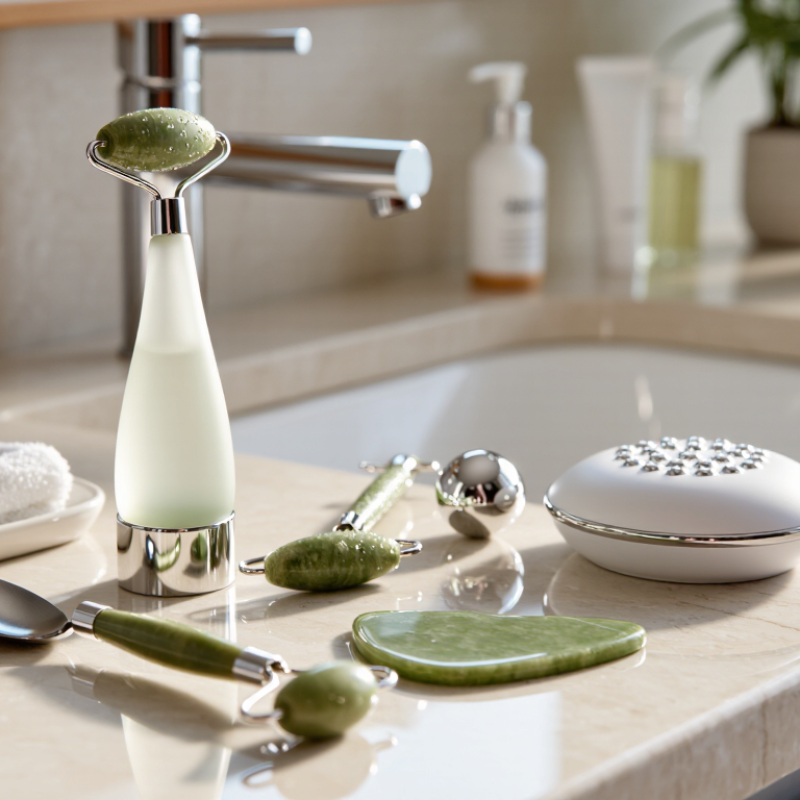
In 2026, this guide compares practical options, including chilled rollers, gua sha tools, and at-home microcurrent devices. It will focus on safe handling, realistic expectations, and the small details that matter: clean tool surfaces, light pressure, and brief sessions. A roller pulled hard across delicate skin can leave it irritated, not refreshed. Some mornings, the simplest tool is a cool cloth. Results vary, and persistent or painful swelling deserves advice from a qualified healthcare professional rather than another gadget.
How to Reduce Puffiness with Beauty Tools in 2026

Understanding Facial Puffiness and How Beauty Tools May Help

How to Reduce Puffiness with Beauty Tools in 2026

Understanding Facial Puffiness and How Beauty Tools May Help

Morning puffiness often reflects fluid retention, sleep position, salty meals, allergies, or crying. It is usually temporary. The skin around the eyes is thin, so swelling appears quickly. Cooling tools can narrow surface blood vessels briefly and make the area look calmer. Gentle massage may encourage fluid movement, but it does not remove an underlying medical cause. In my experience, pressure matters more than expensive design. Too much force can irritate delicate skin.

Tips: Use a clean, cool tool for three to five minutes. Glide outward from the nose, then toward the ears. Keep movements light, especially beneath the eyes. Never scrape, press, or use a tool on broken skin. Clean it after every use. A chilled spoon can work, though it may feel awkward. Stop if you notice pain, rash, numbness, or worsening redness.

Beauty tools support appearance, not diagnosis or treatment. Persistent, one-sided, painful, or sudden swelling deserves medical advice. Seek prompt care if puffiness affects vision or follows an injury. Results can also be inconsistent. Hydration, regular sleep, and managing allergies may matter more than a device. I still question dramatic before-and-after claims, because lighting and camera angles can mislead. Track changes in the same morning light. That simple habit makes expectations more realistic.

Choosing Beauty Tools for Different Puffiness Concerns

Puffiness is not one problem, so the same beauty tool may not suit every morning. For mild under-eye swelling after a short night, a cool gel eye mask can feel soothing and is easy to use while sitting upright. Keep it cool, not painfully cold, and follow the product’s instructions. A smooth facial roller may help spread moisturizer and encourage gentle massage, but use light pressure around the eyes. The skin there is delicate. A tool should glide, not tug.

For broader cheek or jaw puffiness, a clean, rounded massage tool can cover larger areas more comfortably than a small eye device. Move it gently from the center of the face outward, and stop if your skin feels sore or irritated. If you prefer a hands-free option, a cooling mask may be simpler, though it can feel awkward at first. Clean tools after use, especially around the eyes, and avoid sharing them. Results are usually temporary, and puffiness can have many causes. I’ve found that a tool used carefully for a few minutes feels more helpful than pressing harder or chasing an instant change. Persistent, painful, or sudden swelling deserves medical advice rather than another device.

Preparing Your Skin and Tools for Safe Use

Before using beauty tools in 2026, prepare both your skin and the device. Wash your hands with soap and water. Clean the tool according to its material and instructions, then let it dry completely. Do not share tools, even with family members. Check for cracks, rough edges, loose parts, or unusual odors. A damaged surface can irritate delicate skin around the eyes.

Begin with freshly cleansed skin and remove makeup, sunscreen, and oil. Apply a simple, fragrance-free moisturizer to reduce dragging. Patch-test any new serum before using it with a tool. Avoid areas with cuts, active rashes, sunburn, or painful acne. Keep products away from the eye itself. The skin there is thin.

I used to think colder meant better. It does not. A chilled tool may feel refreshing, but extreme cold can cause discomfort or redness. Use light pressure and slow outward movements, especially along the cheekbones and jawline. Short sessions are usually more sensible than aggressive massage. Stop if you notice stinging, numbness, broken capillaries, or increasing redness. Persistent puffiness may relate to allergies, poor sleep, medication, or another health concern, so a qualified healthcare professional should assess it. I still sometimes press too firmly when rushing, which is a useful reminder: visible results should never outrank skin comfort.

How to Reduce Puffiness with Beauty Tools in 2026 - Preparing Your Skin and Tools for Safe Use

Step Tool or Preparation How to Prepare Safe Use Typical Duration When to Avoid or Stop
1. Check your skin Skin and eye-area check Wash your hands and look for irritation, cuts, rash, infection, or unusual swelling before starting. Use tools only on intact skin. Keep pressure light, especially around the eyes. About 1 minute Do not massage swollen, painful, injured, or infected areas. Seek medical advice for sudden or persistent swelling.
2. Clean the tool Facial roller, gua sha tool, or reusable cooling mask Clean according to the tool’s care instructions. Wash hands before handling a tool that will touch your face. Use a clean tool for each session; do not share personal facial tools. Before each use Do not use a tool with cracks, rough edges, or residue that cannot be removed.
3. Prepare the skin Gentle cleanser and, if needed, a simple moisturizer Cleanse gently and pat the skin dry. A thin layer of moisturizer can help a manual tool glide without tugging. Avoid dragging a tool over dry skin or applying pressure that pulls the skin. 2–3 minutes Skip products that sting or irritate. Do not apply tools over freshly irritated skin.
4. Apply gentle cooling Cool compress or a properly chilled eye mask Use a clean, cool compress or follow the mask’s temperature instructions. Do not place a frozen tool directly on skin. Rest it lightly over closed eyes or the puffy area; keep pressure off the eyeballs. 5–10 minutes Remove it if the skin becomes painful, numb, very red, or uncomfortable. Avoid extreme cold.
5. Massage lightly Facial roller or smooth-edged gua sha tool Make sure the tool is clean and the skin has enough slip from moisturizer or another suitable product. Use slow, gentle strokes from the center of the face outward. Avoid the eyelids and direct pressure on the eyes. 3–5 minutes Stop if you feel pain or notice bruising, broken capillaries, or increased irritation. Do not use forceful strokes.
6. Finish and clean up Clean cloth and tool-care routine Gently pat the skin dry if needed, then clean and dry the tool as directed before storing it. Store the tool in a clean, dry place. Follow the manufacturer’s instructions for reusable or powered devices. 1–2 minutes Discontinue use if a device causes discomfort, heat, rash, or other unexpected skin reactions.
Helpful context Realistic expectations Facial puffiness can have many causes, including sleep, allergies, and fluid shifts. Cooling and gentle massage may temporarily improve the appearance of puffiness; results vary and are not a treatment for an underlying medical cause. As needed Get medical advice for swelling that is severe, one-sided, painful, affects vision, or does not improve.

Using Beauty Tools Step by Step to Reduce Puffiness

Morning puffiness often reflects fluid retention, sleep position, salt intake, allergies, or irritation. Beauty tools may temporarily improve circulation and lymphatic movement, but they cannot remove the underlying cause. Fortune Business Insights valued the global beauty devices market at approximately $36 billion in 2024, showing strong consumer interest. Market growth does not prove every tool works.

Start with a clean face and washed hands. Apply a light, fragrance-free moisturizer for slip. Use a cool roller, spoon-shaped tool, or smooth massage stone. Begin at the center of the face. Glide outward toward the ears with very light pressure. Move from the jaw toward the neck. Repeat each path three to five times. Keep sessions under five minutes.

Do not press hard.

Cold can feel soothing. Extreme cold may irritate skin or worsen redness. Avoid tools over broken skin, active rashes, or painful swelling. The American Academy of Dermatology Association recommends cool compresses for some forms of facial swelling, but it does not present beauty tools as medical treatment. A 2023 review in the Journal of Cosmetic Dermatology found that facial massage evidence remains limited and varies by technique. That limitation matters. Track puffiness with the same morning lighting for one week. If swelling is sudden, one-sided, persistent, or linked with breathing trouble, seek medical care rather than repeating the routine.

Maintaining Your Tools and Building a Consistent Routine

How to Reduce Puffiness with Beauty Tools in 2026

Maintaining clean tools is essential for a safe, consistent routine. Wash reusable rollers or massage stones with gentle soap after each use. Rinse them well, then dry every surface with a clean towel. Clean tools matter. Store them in a dry container, away from bathroom steam and dust. Check regularly for cracks, sharp edges, or loose parts. Damaged surfaces can irritate delicate skin around the eyes. Never share facial tools, even with someone close to you. Bacteria can transfer easily. A cool tool may temporarily calm morning puffiness, but it cannot permanently change facial structure. Avoid freezing it, since extreme cold may cause redness or discomfort.

A practical routine can take three to five minutes. Start with freshly cleansed skin and apply a light, fragrance-free moisturizer for slip. Move outward from the nose, using gentle strokes toward the cheeks, temples, and jawline. Keep pressure light. I once pressed too firmly, hoping for faster results, and created unnecessary redness. That mistake reminded me that consistency matters more than force. Use the tool at the same time each morning, perhaps after brushing your teeth. Track how your skin responds for two weeks, but remain realistic. Results may reflect sleep, hydration, allergies, or salt intake. Not perfectly. Stop if you feel pain, burning, or unusual swelling. Persistent or sudden puffiness deserves advice from a qualified healthcare professional, especially when it affects vision or breathing.

FAQS

Why does facial puffiness often appear in the morning?

Fluid retention, sleep position, salty food, allergies, or crying can cause temporary puffiness. Thin skin around the eyes makes swelling more noticeable.

Can beauty tools treat the cause of facial puffiness?

No. Cooling and gentle massage may temporarily improve appearance, but they do not diagnose or treat an underlying cause.

How should I use a cooling roller or massage tool?

Start with clean hands and skin. Apply a light moisturizer, then glide outward from the face’s center using gentle pressure. Keep the session under five minutes.

How many times should I repeat each movement?

Repeat each path three to five times. Less pressure is usually better; tugging can irritate delicate skin.

Are cooling masks or chilled spoons useful?

They may feel soothing for mild puffiness. Keep them cool rather than painfully cold, and stop if your skin becomes red or uncomfortable.

Which tool works best for puffiness around the cheeks or jaw?

A clean, rounded tool can cover larger areas comfortably. Glide from the center of the face outward, and stop if the skin feels sore.

How should I clean and store facial tools?

Clean tools after each use, especially those used near the eyes. Do not share them. A simple routine can be easy to overlook.

When should I seek medical advice?

Seek advice for sudden, persistent, painful, or one-sided swelling. Get prompt care if swelling affects vision or follows an injury.

How can I tell whether a routine is helping?

Compare your face in the same morning lighting for a week. Photos can mislead when the angle or light changes.

What if puffiness does not improve with a tool?

It may relate to sleep, hydration, salt, or allergies. Repeating the routine harder is not a good fix; consider medical advice if swelling persists.

Conclusion

Facial puffiness can result from fluid buildup, poor sleep, dehydration, or other everyday factors. The right beauty tools may help temporarily ease a puffy appearance by supporting gentle massage and circulation, but results vary and tools are not a substitute for medical care. When considering what beauty tools help with puffiness, compare options such as cooling rollers, gua sha-style massage tools, and soft cleansing brushes based on your skin’s sensitivity and the area you want to address.

Before use, cleanse your skin and make sure the tool is clean, smooth, and suitable for facial contact. Apply a gentle moisturizer or serum to reduce friction, then use light pressure and slow, outward strokes, avoiding the eyes and any irritated or broken skin. Follow the tool’s care instructions, clean it after each session, and store it in a dry place. A short, consistent routine, combined with adequate rest and hydration, may help your face look refreshed.

Sienna

Sienna

Sienna is a skilled marketing professional with a deep expertise in our company’s core products and services. With a passion for innovation and detail, she plays a pivotal role in crafting insightful blog posts that not only highlight the unique features of our offerings but also provide valuable......