How to Choose the Beauty Tools You Really Need

Time:2026-10-30 Author:Sienna
0%

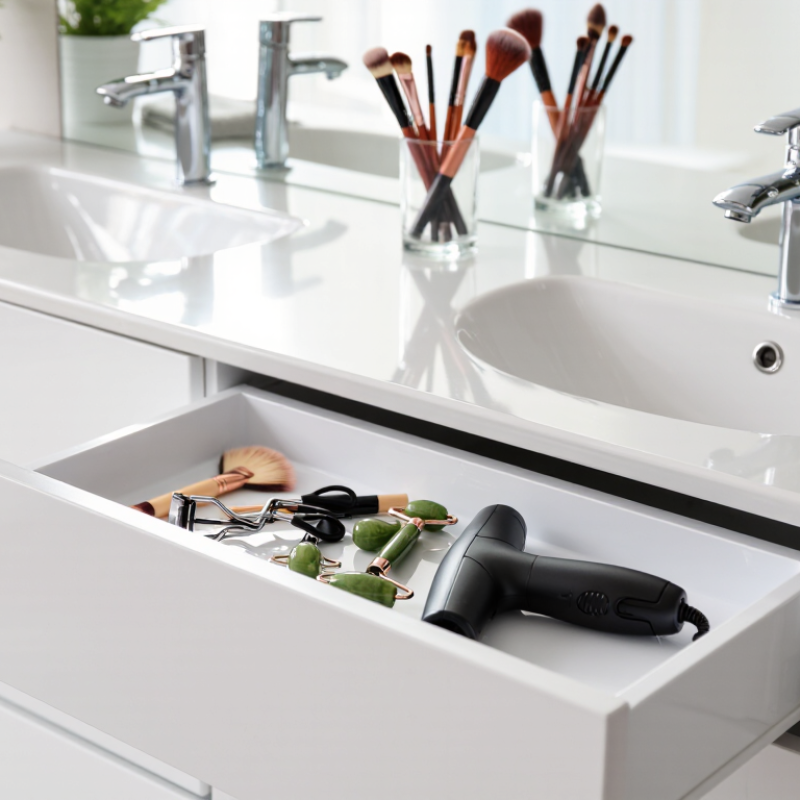
Standing before a crowded bathroom drawer, it is easy to mistake more tools for better results. An eyelash curler, several brushes, a facial roller, and a heated styling wand can all look essential online. But a tool earns its place only when it solves a real, repeated task. That is the practical question behind what beauty tools do i really need.

Makeup artist Bobbi Brown has said, “I believe all women are pretty without makeup—and can be pretty powerful with the right makeup.” Her point is about makeup, not a specific tool, but it offers a useful reminder: tools should support your choices, not set them. A brush that blends foundation evenly may help; a drawer full of brushes for techniques you never use probably will not. Less can be enough.

This guide looks at useful basics for makeup, skincare, and hair, while noting where personal needs differ. Skin sensitivity, hair texture, budget, and daily habits all matter. So does cleaning: a neglected brush or sponge can collect residue and become unpleasant to use. Fancy devices are not automatically more effective, and a simple tool may suit you better. A little doubt is healthy here; beauty advice can make ordinary routines feel incomplete. Use the recommendations as a starting point, then keep only tools that feel comfortable, work reliably, and earn regular space in your routine.
How to Choose the Beauty Tools You Really Need

Identify Your Skin, Hair, and Makeup Needs

Start with the problem you want a tool to solve, not the size of the beauty aisle. Is your skin dry, oily, sensitive, or prone to breakouts? The American Academy of Dermatology estimates acne affects up to 50 million people in the United States each year. That figure is a reminder that skin concerns vary widely; it is not a reason to buy every cleansing brush or extraction tool. For sensitive or irritated skin, a soft cloth and gentle hands may be a safer starting point. Keep it simple.

For hair, note your texture, density, and styling habits before choosing a dryer, diffuser, or heated tool. A diffuser may help curls dry with less disruption, while a wide-tooth comb can reduce tugging on wet hair. Check temperature settings and use the lowest heat that gets the job done. Not more gadgets. If breakage or scalp irritation continues, pause styling and seek qualified advice rather than trying another tool.

For makeup, match tools to the finish you actually wear. A small brush offers control around the eyes; a damp sponge can blend foundation over broader areas. Wash reusable tools regularly and let them dry fully. Circana reported that U.S. prestige beauty sales reached $31.7 billion in 2023, up 14 percent. More choice can be useful, but it can also make a basic routine feel inadequate. It isn’t. A tool that sits unused is still clutter.

Understand the Main Categories of Beauty Tools

Beauty tools work best when matched to a specific task. Manual tools include cleansing cloths, facial rollers, tweezers, brushes, and nail files. Electric tools cover cleansing devices, hair dryers, and styling tools. At-home light or heat devices sit in a separate category; their instructions and safety limits deserve close attention. Different jobs, different risks.

The market helps explain the growing range. Grand View Research estimated the global beauty devices market at roughly $45 billion in 2023; its category mainly covers electronic devices, not every brush or comb. McKinsey’s 2023 beauty-market report projected about 6% annual growth through 2027. These figures describe markets, not proof that a tool improves results. That distinction matters.

For a practical choice, start with the routine, not the shelf. If makeup brushes are used daily, prioritize washable bristles and a handle that feels steady in a damp hand. For hair, a dryer with adjustable heat may be more useful than another styling gadget. I can still be tempted by clever-looking tools; honestly, that is not the same as needing them. Check cleaning instructions, replacement parts, and device-specific warnings before buying. Keep it simple. A tool that is hard to clean often ends up unused.

Compare Tool Features, Materials, and Safety

How to Choose the Beauty Tools You Really Need

Compare features you will use, not the longest feature list. A brush with a sturdy handle and securely fixed bristles is easier to control than one that sheds near your eyes. For sponges, check whether the material rinses clean and dries fully; damp, porous tools can hold residue. Fit matters, too. Hold the tool as you would at a mirror, and notice whether the grip slips with wet hands.

Material affects both comfort and upkeep. Smooth, nonporous surfaces are generally easier to wipe down, while soft foam needs thorough drying between uses. If you have sensitive skin, check material disclosures and try a small-area test. Don’t assume “soft” means suitable for everyone. For heated or powered tools, look for clear temperature controls, intact cord insulation, and an automatic shutoff. A sleek finish cannot make an unsafe design safer.

Cleaning deserves real attention. A 2019 study in the Journal of Applied Microbiology examined 467 used cosmetic products and reported that 93% of beauty sponges had never been cleaned. The American Academy of Dermatology recommends washing makeup brushes every seven to ten days. Pick tools you can realistically clean, inspect, and replace. I still find it easy to overvalue extra attachments; a tool that sits unused is not a useful upgrade.

How to Choose the Beauty Tools You Really Need

Compare practical features, materials, and everyday safety considerations before adding a tool to your routine.

How to read this: Scores are an illustrative, qualitative comparison—not laboratory test results. Higher scores indicate greater versatility, easier cleaning, or simpler safe use. Stainless steel is nonporous and generally easy to clean; silicone tools are typically washable; stone tools need gentle handling; powered LED devices require following the manufacturer’s directions and eye-safety guidance. Choose based on your needs, and clean tools as directed.

Choose Tools That Fit Your Routine and Budget

A useful beauty tool should solve a real problem in your routine, not just look appealing on a shelf. Notice what you already do most days. If you style damp hair before work, a reliable dryer may earn its place. If you rarely use face masks, a special brush may not. Think about storage, cleaning, and replacement costs, too. A low purchase price can still mean extra upkeep. Start with one tool and give it a few weeks of regular use.

Tips: Set a spending limit before browsing. Check whether the tool is easy to clean and comfortable to hold. Keep it simple.

Your budget should reflect how often a tool will be used, rather than how impressive its features sound. Compare basic options with more advanced ones, and pay attention to clear care instructions and safety guidance. For heated tools, look for adjustable settings that suit your hair type, and avoid using excessive heat. I have bought tools that seemed helpful, then left them untouched in a drawer. That is a useful reminder: a small kit you actually use often works better than a crowded one. Don’t rush the decision.

Check Care, Cleaning, and Replacement Requirements

A beauty tool is only useful if you can keep it clean and working. Before buying, check its care instructions and the time they require. A brush may need washing after several uses, while a facial roller usually needs wiping after each session. Let washable tools dry fully on a clean towel; damp bristles can hold residue and develop an unpleasant smell. Small habit, real difference.

Electric devices need different care. Keep charging ports and cords away from water, and use only the cleaning method listed in the manual. I once assumed a damp cloth was safe for every surface; it was not. That assumption deserves a second look.

Check whether detachable heads are washable, how often they should be replaced, and whether replacement parts are easy to find. Swap brush heads when bristles spread, shed, or no longer rinse clean. Replace cracked tools or ones with damaged cords instead of trying to repair them yourself.

If a tool causes irritation, pause use and clean it before deciding whether to try again. A simple calendar reminder can help track cleaning and replacement dates, especially when several tools share the same drawer.

FAQS

How do I choose a beauty tool for my skin?

Start with your skin’s needs, such as dryness, oiliness, sensitivity, or breakouts. For irritated skin, a soft cloth and gentle hands may be a simpler starting point. Keep it simple.

What should I consider before choosing a hair tool?

Note your hair texture, density, and usual styling habits. A diffuser may help curls dry with less disruption, while a wide-tooth comb can reduce tugging on wet hair. Use the lowest effective heat.

When should I use a makeup brush or sponge?

A small brush offers control around the eyes. A damp sponge can blend foundation over larger areas. Choose tools that fit the finish you actually wear.

What safety features matter in heated or powered tools?

Look for clear temperature controls, intact cord insulation, and automatic shutoff. Read device instructions and warnings before use. A sleek finish proves nothing.

Which materials are easier to clean?

Smooth, nonporous surfaces are generally easier to wipe down. Soft foam needs thorough drying between uses. Check material details and try a small-area test if your skin is sensitive.

How often should I clean makeup brushes?

Wash reusable makeup brushes every seven to ten days. Let them dry fully before using them again. Sponges also need regular cleaning and thorough drying.

Do extra features mean a tool will work better?

Not necessarily. Market growth and long feature lists do not prove a tool improves results. I still get tempted by extra attachments; that does not make them useful.

What should I do if styling causes breakage or irritation?

Pause styling and seek qualified advice if the problem continues. Trying another tool may not solve it. Some routines need less heat, not more gear.

Conclusion

Choosing the right beauty tools starts with understanding your own skin, hair, and makeup needs. Before buying anything, consider the tasks you do regularly and the results you want, so you can answer the question, “what beauty tools do i really need?” Learn the main categories of tools and how each one supports a particular part of your routine. Then compare practical details such as materials, features, ease of use, and safety, rather than choosing based on appearance alone.

The best tools are those that fit comfortably into your routine and budget. Think about how often you will use each item, how much space it requires, and whether it offers useful value over time. Check how each tool should be cleaned and maintained, and find out when it may need to be replaced. A thoughtful selection can keep your routine simple, effective, and hygienic without filling your space with tools you rarely use.

Sienna

Sienna

Sienna is a skilled marketing professional with a deep expertise in our company’s core products and services. With a passion for innovation and detail, she plays a pivotal role in crafting insightful blog posts that not only highlight the unique features of our offerings but also provide valuable......