In the quest for radiant skin, beauty tools have become essential. Many individuals wonder, "how often should I use beauty tools?" Understanding the optimal frequency can greatly impact your skin's health and appearance. Overusing tools can lead to irritation, while underusing them may not yield desired results.
The effectiveness of beauty tools depends on various factors, such as skin type and tool purpose. For instance, facial rollers might work best with a few sessions each week, while more intensive tools like microneedlers might require careful planning. It’s crucial to listen to your skin’s response and adjust accordingly.
Experimentation is key. What works for one person may not suit another. Keep track of your skin’s reactions after each session. This reflection helps in finding your ideal routine. Balancing frequency with skin sensitivity can be challenging but is necessary for optimal results.
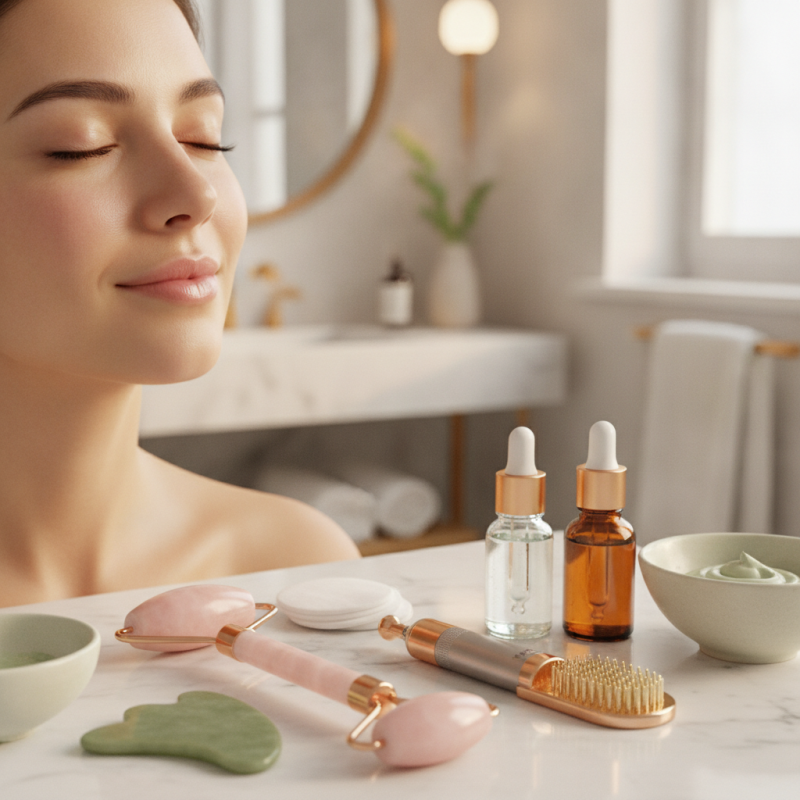
When it comes to beauty tools, understanding their types and functions can significantly enhance your routine. Facial rollers, for instance, boost circulation and promote lymphatic drainage. These tools can be used a few times a week. However, overuse can lead to irritation. So, moderation is key.
Another valuable tool is the skin brush. It gently exfoliates, prepping your skin for serums and moisturizers. Regular use can improve skin texture. But using it too often can strip natural oils, potentially causing dryness or irritation. Finding the right balance is essential for effective results.
LED devices have gained popularity for their skin-healing properties. They tackle issues like acne and pigmentation. While beneficial, results may take time. Overenthusiastic use might not yield faster results. Listening to your skin’s needs is crucial. Reflect on how each tool affects you, and adjust your routine accordingly.
Understanding your skin type is essential for choosing the right beauty tools and setting a proper routine.
Oily skin, for instance, may respond well to tools that exfoliate and control shine.
In contrast, dry or sensitive skin might require gentler tools that hydrate and soothe without causing irritation.
It's crucial to assess your skin's needs regularly; those needs can change with seasons, stress levels, and aging.
If you have combination skin, find a balance when using beauty tools.
Incorporate hydrating tools for dry patches while using exfoliating tools sparingly on oily areas.
Consider your skin concerns too. If breakouts frequently occur, tools that encourage gentle cleansing can help.
However, overuse can lead to redness and sensitivity. Pay attention to how your skin reacts after each session.
Adjust accordingly to avoid potential pitfalls.
Determining how often you should use these tools also varies with your skin type.
A general guideline suggests using exfoliating tools once or twice a week for oily skin.
For sensitive skin, limit usage to once every two weeks. Listen carefully to your skin and modify so that your routine stays effective without causing damage.
Embracing this dynamic will lead to better results over time.
When using beauty tools, frequency is crucial for achieving optimal results. For at-home facial devices, experts recommend using them about 2-3 times a week. This schedule ensures your skin has time to recover while still benefiting from the treatment. A study published by a leading dermatological journal noted that overuse can lead to skin irritation or redness, so moderation is key.
For tools like microdermabrasion devices, professionals suggest using them every 2-4 weeks. These tools exfoliate the skin deeply, and too frequent use may strip essential oils leading to dryness. Research indicates that allowing sufficient time for skin renewal promotes better absorption of serums and moisturizers, enhancing treatment efficacy.
Tips: Always assess your skin's reaction after each session. If irritation occurs, reduce frequency or consult a specialist. Additionally, tools like jade rollers can be used daily for a gentle massage. It’s essential to listen to your skin and adjust your routine as needed for sustained health and beauty.
Integrating beauty tools into your skincare routine requires a thoughtful approach. Regular use can enhance your skincare results. However, finding the right balance is key. Overusing certain tools may irritate your skin instead of improving it. Aim to introduce tools gradually and observe how your skin reacts.
Start with tools like facial rollers or gua sha. Use them two to three times a week to promote circulation. This frequency allows your skin to adjust without overwhelming it. Pay attention to your skin's signals. If you notice redness or irritation, cut back. Adjusting your routine can make a significant difference.
For tools like LED masks or microcurrent devices, aim for once a week. These can be strong and may require more recovery time. Incorporating them too frequently can lead to diminishing returns. Consistency is important, but so is being gentle with your skin. Reflect on your progress and fine-tune your routine as needed. Your skin will thank you for it.
When using beauty tools, monitoring your skin's response is vital. Everyone's skin is different. What works for one person may not suit another. Track changes over time. Look for improvements like radiance, texture, or blemish reduction. If you notice irritation, it might be time to adjust your routine.
Frequency matters. Some tools are effective with just weekly use, while others may require daily application. Pay attention to your skin's signals. Redness or dryness indicates too much usage. If results plateau, it may suggest you need to shake things up. Maybe switch tools or take a break.
Don't rush the process. Patience is key in beauty routines. Regularly assess your progress. Reflect on what feels right for your skin. Adjust as necessary. Listening to your skin will guide you toward the best routine tailored just for you.
: Facial rollers boost circulation and promote lymphatic drainage. Use them a few times a week.
Yes, overusing a skin brush can strip natural oils and cause dryness or irritation.
LED devices help with acne and pigmentation. However, results can take time and may not be immediate.
Assess your skin type and its needs. Oily skin may need exfoliating tools, while dry skin needs hydration.
A guideline suggests using them once or twice a week to avoid irritation.
If you notice redness or dryness, consider reducing the frequency of tool usage.
Yes, skin needs can change due to factors like seasons, stress, and aging. Regular assessment is important.
You may need to switch tools or take a break from using them. Pay attention to what works for your skin.
Track your skin's response over time. Look for improvements in texture and radiance.
Rushing the process can lead to disappointment. Regularly assess your progress and adjust your routine as needed.
In the quest for optimal skincare, understanding how often you should use beauty tools is essential. The article begins by exploring various types of beauty tools and their specific functions, helping readers identify the right tools for their skincare regimen. It emphasizes the importance of determining your skin type and its unique needs to tailor the usage of these tools effectively.
Additionally, the article provides a comprehensive overview of frequency guidelines for the most popular beauty tools, allowing users to integrate them seamlessly into their daily routines. By monitoring the results and being attentive to their skin’s response, individuals can adjust the frequency of tool usage as necessary, ensuring continued effectiveness and achieving the best results in their beauty journey.

Osity Beauty