In recent years, beauty tools have gained immense popularity in the skincare industry. Many wonder, "can beauty tools replace skincare products?" Renowned skincare expert Dr. Elizabeth Tanzi has stated, “While beauty tools can enhance your routine, they cannot substitute for quality skincare.” This raises important questions about the efficacy of tools versus traditional products.
Beauty tools, such as jade rollers and microcurrent devices, promise various benefits. They can improve circulation and boost product absorption. However, they lack essential ingredients that nourish and protect the skin. Some users find that beauty tools can amplify their results but do not fully address skin concerns alone.
Moreover, the effectiveness of beauty tools greatly depends on how they are used. Incorrect usage can lead to disappointment and skin irritation. While they might offer temporary improvements, they cannot replace the deep hydration and active ingredients found in serums and moisturizers. Therefore, a holistic approach to skincare is crucial. Exploring both tools and products can lead to the best results. Ultimately, the answer to whether beauty tools can replace skincare products remains complex and requires thoughtful consideration.
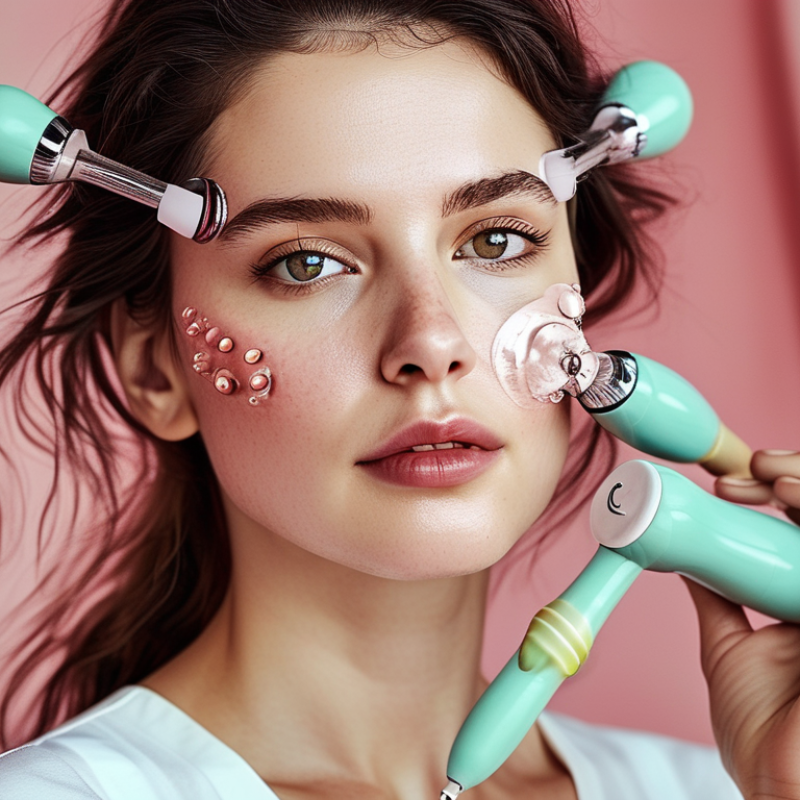
The rise of beauty tools in skincare routines has captured the interest of beauty enthusiasts and industry experts alike. According to a recent market research report, the global beauty tools market is projected to reach $25 billion by 2025. This reflects a growing trend where individuals seek out innovative devices to enhance their skincare rituals. These tools, ranging from facial rollers to LED masks, are believed to offer benefits such as improved circulation and enhanced product absorption.
Many users report that beauty tools complement their existing skincare products rather than replace them. However, some struggle to incorporate these tools effectively. For example, a study indicated that 40% of users did not see significant results, attributing this to inconsistent usage or improper technique. It's essential to recognize that while tools can add value, they cannot address all skincare concerns alone. Factors like skin type, environmental influences, and lifestyle choices play critical roles in overall skin health.
Experts warn against relying solely on tools without the foundation of a solid skincare routine. The same market research highlighted that 70% of successful skincare regimens still depend on traditional products for hydration and protection. Balancing the use of beauty tools with skincare essentials is crucial. With the right approach, these innovations can enhance the experience, adding an element of fun and engagement to daily routines.
Skincare products play crucial roles in maintaining skin health. Each product serves specific functions, from hydration to protection. For example, moisturizers lock in moisture, creating a barrier against dryness. Sunscreens shield the skin from harmful UV rays, reducing the risk of cancer. According to a report by the Global Skincare Market, the global skincare industry was valued at over $140 billion in 2020 and is expected to grow steadily. This growth highlights the importance consumers place on effective skincare.
Beauty tools have gained popularity, but they cannot completely replace skincare products. Tools like facial rollers and LED devices can complement a skincare routine. However, they may not deliver essential ingredients like antioxidants or hyaluronic acid effectively. Industry analysis suggests that 72% of consumers still prefer the tangible benefits of creams and serums. Despite these tools' appeal, reliance solely on them raises questions about skin nourishment. Are we neglecting powerful ingredients found in traditional skincare?
Moreover, the efficacy of beauty tools varies between users. What works for one person may not work for another. Some may find short-term benefits from tools, but long-term results often require a well-rounded skincare regimen. The need for research about these tools' long-term impacts cannot be ignored. Balancing both aspects is essential for comprehensive skincare treatment.
In recent years, the beauty industry has seen a surge in the popularity of beauty tools like gua sha stones and LED masks. According to a report by Grand View Research, the global beauty devices market is expected to reach $86 billion by 2026, reflecting consumers’ increasing interest in such tools. These devices promise to enhance skincare routines, but do they truly replace traditional skincare products?
Beauty tools often promote lymphatic drainage and improve blood circulation. However, some studies indicate that these benefits can be achieved with consistent use of quality skincare products. A survey by The Beauty Department found that 68% of consumers noticed significant improvements in their skin after using both tools and products together. This implies that while beauty tools can supplement skincare, they may not deliver the desired results independently.
Not all tools are suited for all skin types. For instance, certain devices may irritate sensitive skin or exacerbate existing conditions. Evidence shows that while some users tout immediate results, effects can vary widely. Not everyone achieves the same improvements, raising questions about their reliability. Users should consider combining both approaches to develop a holistic skincare strategy tailored to their unique needs.
| Dimension | Beauty Tools | Traditional Skincare Products |
|---|---|---|
| Efficacy | Immediate results (e.g., improved texture) | Long-term benefits (e.g., hydration, anti-aging) |
| Cost | One-time investment (may be expensive) | Recurring costs (purchasing refills) |
| Ease of Use | Requires technique and practice | Simple application, user-friendly |
| Versatility | Can target specific skin issues | Targeted products available for various concerns |
| Maintenance | Needs regular cleaning and care | Requires proper storage, expiration date to consider |
| Possible Side Effects | Risk of irritation if used improperly | Allergic reactions possible depending on ingredients |
The efficacy of beauty tools raises an intriguing question. Many consumers are eager to find out if these tools can effectively replace traditional skincare products. Some tools claim to enhance skin texture, improve circulation, or even promote collagen production. However, results can vary greatly.
Using tools like facial rollers or LED masks can provide a temporary glow. In some cases, they may boost the effectiveness of serums or moisturizers. Yet, not all tools deliver the promised benefits. Results may depend on skin type, consistency of use, and technique. It's essential to approach these products with a realistic mindset.
**Tips**: Always research the tools you're interested in. Look for studies that validate their claims. Monitor your skin’s reaction to new tools. Documenting changes helps in assessing effectiveness. Remember, a tool is not a substitute for a well-rounded skincare routine. Consistency in application often matters just as much as the tool itself.
The use of beauty tools in skincare has surged in popularity, with many consumers sharing success stories. A recent survey revealed that 68% of users noted improvements in skin texture after incorporating tools like facial rollers and LED masks into their routines. These tools often serve as a complement to traditional skincare, sometimes making it seem possible to eliminate certain products altogether.
However, not all experiences have been positive. Many users report limitations, such as inconsistent results and unrealistic expectations. A study published in a dermatological journal found that 45% of participants experienced little to no change in skin conditions after using these tools over several weeks. This raises an important question about dependency on devices versus proven skincare products.
Beauty tools can offer quick results, but they shouldn't be viewed as a total replacement. While they can enhance blood circulation or promote lymphatic drainage, they may not address deeper skin issues effectively. Professionals remind consumers to focus on a balanced routine that combines both tools and products for optimal results, acknowledging the complexities of skin health.
: Beauty tools can supplement skincare but may not replace products entirely.
No, some tools may irritate sensitive skin or worsen existing conditions.
Efficacy varies greatly; results depend on skin type, use, and technique.
Research the tool's claims and monitor your skin's reaction when trying it.
They may enhance the effects of products but don't guarantee results on their own.
Yes, many users report inconsistent results and sometimes unrealistic expectations.
Consistency is key, but frequency may vary depending on skin sensitivity.
Some tools offer a temporary glow but may not address deeper skin issues.
Yes, reliance on devices might overshadow the importance of established skincare products.
A routine should combine both traditional products and beauty tools for best results.
The article "Can Beauty Tools Truly Replace Skincare Products?" explores the growing trend of incorporating beauty tools into skincare routines. It begins by examining the rise of these tools and their intended benefits, setting the stage for a deeper understanding of traditional skincare products and their functions. Through a comparative analysis, the article delves into the effectiveness of beauty tools versus conventional skincare items, questioning whether beauty tools can genuinely replace skincare products.
Furthermore, the efficacy of these tools is scrutinized, assessing whether they live up to their promises. The article also includes consumer experiences, showcasing both success stories and limitations, ultimately providing insights into the evolving landscape of skincare. In conclusion, while beauty tools offer innovative options, the question remains: can beauty tools replace skincare products, or should they complement traditional methods?

Osity Beauty