Which China Best Beauty Tools Are Best for Daily Skincare?

Time:2026-09-09 Author:Oliver
0%

Choosing skincare tools can feel surprisingly complicated, especially when online trends move faster than reliable evidence. This guide examines which beauty tools are best for daily skincare, with attention to Chinese brands, practical design, safety, and real household use. The focus is not on flashy promises. It is on tools that fit ordinary routines, limited budgets, and different skin sensitivities.

A useful tool should feel comfortable, clean easily, and support consistent habits. Facial cleansing brushes, stainless-steel rollers, gua sha tools, silicone applicators, and cooling globes each serve different purposes. For example, a soft silicone brush may help spread cleanser across the nose and chin without trapping moisture. A smooth roller can feel calming after a long day, although it cannot replace sunscreen or proven acne treatment. Materials, battery quality, charging safety, and clear care instructions also deserve attention.

This overview combines hands-on considerations with information from dermatology guidance, manufacturer specifications, and careful product comparisons. It will distinguish temporary comfort from measurable skincare benefits. Some popular claims remain uncertain. That matters. A tool may look beautiful in a bathroom drawer yet become irritating with daily pressure or poor cleaning. Personal experience is useful, but it is not perfect evidence. Skin can react differently, and product reviews may overlook long-term maintenance. Readers should patch-test where appropriate, follow instructions, and stop using any tool that causes pain, redness, or swelling. The best choice is rarely the most expensive one. It is the tool that remains gentle, hygienic, and realistic for everyday use.
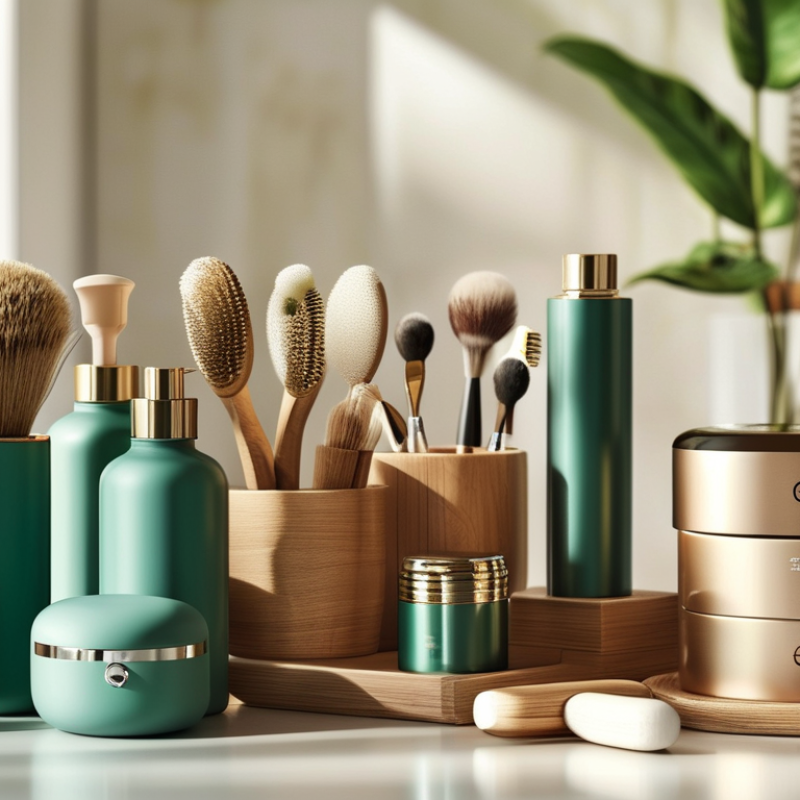
Which China Best Beauty Tools Are Best for Daily Skincare?

Types of China-Made Beauty Tools for Daily Skincare

Which China-Made Beauty Tools Are Best for Daily Skincare?

China-made beauty tools cover several practical categories: silicone cleansing brushes, stainless-steel facial rollers, gua sha plates, heated eye massagers, and compact LED masks. Silicone brushes are easy to rinse and useful for removing sunscreen residue. Rollers and gua sha tools provide gentle massage, but they do not permanently reshape facial features. That claim deserves skepticism.

McKinsey’s 2023 beauty industry report valued global beauty at about 430 billion U.S. dollars and projected around 590 billion by 2028. Skincare remains the largest category, representing roughly 40% of the market. This growth supports wider access to home devices, including products manufactured in China. However, market growth does not prove every tool works well. Material quality, temperature control, charging safety, and clear instructions matter more than appearance.

For daily use, a soft silicone cleanser suits oily or sunscreen-heavy routines. A smooth stone or metal tool may suit short, low-pressure massage after applying moisturizer. LED devices require more caution, because wavelength, eye protection, and usage time affect comfort and safety. The American Academy of Dermatology recommends gentle cleansing and avoiding aggressive scrubbing, especially for sensitive skin. My own practical preference is simple: use one tool consistently, clean it after each session, and stop when redness appears. More equipment is not always better.

How to Choose Beauty Tools for Different Skin Types

Which China Best Beauty Tools Are Best for Daily Skincare?

How to Choose Beauty Tools for Different Skin Types

Choosing Chinese-made beauty tools should begin with your skin, not the tool’s appearance. A smooth surface, secure handle, and clear cleaning instructions matter every day. I prefer simple tools that do not tug, scratch, or create pressure around the eyes.

Dry skin usually benefits from a soft silicone cleansing pad. Use it briefly with a gentle cleanser and lukewarm water. Avoid rough brushes, especially when the skin feels tight or flaky. Sensitive skin needs even more care. Sometimes, the best tool is your clean fingertips. Test a new device on a small area first. I have found that “gentle” tools can still feel irritating after repeated use.

Oily or combination skin may tolerate a soft cleansing device, but longer use is not better. Keep sessions short and avoid active breakouts, cuts, or irritated patches. Facial rollers can feel cooling, yet they do not replace proven acne care. Normal skin can use a clean massage tool for light application of moisturizer. Do not press hard. Clean the tool after every use and let it dry completely. Never share it, even with family. Check for cracks, rough edges, or loose parts. Replace damaged tools promptly. Professional skin advice is sensible when redness, pain, or persistent irritation appears. My own choice would still change with the season, because skin rarely behaves consistently.

Step-by-Step Use of Facial Cleansing and Massage Tools

Which China Best Beauty Tools Are Best for Daily Skincare?

China-made beauty tools can support daily skincare when their design matches your skin, not a trend. Grand View Research valued the global facial cleanser market at USD 15.4 billion in 2023. It forecasts a 5.2% CAGR from 2024 to 2030. That growth shows demand, not proof that every device improves every complexion. Choose soft silicone tips, rounded edges, a stable grip, and clear cleaning instructions. Avoid rough bristles if your skin stings, flakes, or breaks out easily.

Start with clean hands and lukewarm water. Wet your face, apply a mild cleanser, and glide the tool for 30–60 seconds. Use small circles across the forehead, nose, cheeks, and jaw. Do not press around the eyes. Rinse the tool immediately, then remove all cleanser from your face. Pat dry with a clean towel. I would begin once nightly, not twice daily. Irritation can appear slowly.

For massage, apply a few drops of facial oil or a slippery serum. Move the tool outward from the nose toward the cheeks. Sweep upward along the jaw and neck with gentle pressure. Keep each session under five minutes. Clean and fully dry the tool afterward. The American Academy of Dermatology supports gentle cleansing and avoiding harsh rubbing. McKinsey’s 2023 beauty report projected the global beauty market could reach about USD 580 billion by 2027. Market growth cannot replace clinical evidence. Sensitive skin may still react.

Cleaning and Maintaining Beauty Tools for Safe Daily Use

Which China-Made Beauty Tools Are Best for Daily Skincare?

Clean and well-maintained tools matter more than trendy features. For daily skincare, choose tools with smooth surfaces, secure handles, and materials that tolerate frequent washing. Silicone cleansing brushes are practical because they dry quickly and collect less residue than fabric pads. Stainless-steel rollers can also work, but inspect them for rust, loose parts, or rough edges. I have found that simple designs are easier to clean consistently. Fancy tools often become neglected.

Tips: Wash reusable tools after every use with lukewarm water and mild soap. Use a soft brush around grooves and seams. Rinse away all cleanser. Pat the surface dry with a clean towel, then air-dry it fully. Do not store damp tools in closed boxes. Moisture can encourage unpleasant odors and microbial growth. Keep facial tools separate from makeup sponges and bathroom clutter.

Disinfecting may be useful after illness or shared handling, but harsh chemicals can damage silicone, coatings, or adhesives. Follow the tool’s care instructions when available. Never share tools that touch broken skin. Check your skin after use. Redness, stinging, or swelling means you should stop and reassess. I sometimes clean tools immediately, yet I still forget the storage case. That small gap matters. A weekly inspection can reveal hidden residue before it reaches your face.

Common Mistakes and Safety Tips for Skincare Tools

For daily skincare, the best China-made beauty tool is not always the most advanced one. A stainless-steel facial roller or smooth gua sha tool may support gentle massage. However, neither tool replaces cleansing, moisturizing, or sunscreen. McKinsey’s 2023 China beauty report estimated that China could contribute about 18% of global beauty-market growth through 2027. That growth also increases the need for safer, evidence-based choices. A tool should feel comfortable, clean easily, and include clear electrical and material information.

Common mistakes can irritate skin quickly. Pressing hard may leave redness, bruising, or broken capillaries. Using a cleansing brush every day may weaken the skin barrier, especially with exfoliating products. Avoid tools over open wounds, active rashes, or painful acne. Do not share them. Wash reusable surfaces after each use, then dry them completely. Electrical tools need special care around water. Stop immediately if you feel burning, numbness, or lasting redness. I once assumed stronger vibration meant better results. That assumption was wrong.

Tips: Use light pressure, about the weight of a coin. Start two or three times weekly. Keep sessions under five minutes. Patch-test new products before using them with a device. Follow the tool’s temperature and light instructions. The American Academy of Dermatology Association recommends gentle skin care for irritated skin. The Global Wellness Institute’s 2024 report valued the wellness economy at 6.3 trillion dollars in 2023, but popularity does not prove safety. A dermatologist should assess persistent irritation.

Which Beauty Tools Are Best for Daily Skincare?

For everyday routines, non-invasive tools with simple cleaning requirements are generally safer choices. Use gentle pressure, avoid damaged skin, and clean any reusable tool after contact with the face.

Safety tips: Clean facial rollers, silicone brushes, and reusable cotton pads after each use. Wash makeup sponges frequently and allow them to dry completely. Derma rollers are not ideal for casual daily use because they create tiny skin punctures; follow the device instructions and avoid using them on irritated or infected skin. Stop using any tool that causes persistent redness, pain, swelling, or bleeding.

FAQS

: Which facial cleansing tool is suitable for daily skincare?

: Choose soft silicone tips, rounded edges, and a stable grip. It should clean easily. Avoid rough bristles if your skin stings, flakes, or breaks out easily.

How should I use a cleansing tool?

Wash your hands and wet your face with lukewarm water. Apply a mild cleanser. Glide the tool in small circles for 30–60 seconds. Cover the forehead, nose, cheeks, and jaw. Avoid the eye area.

How often should beginners use a cleansing tool?

Start two or three times weekly. Once nightly may be enough later. Do not assume twice daily is better. Irritation can appear slowly.

How much pressure should I use?

Use light pressure, roughly the weight of a coin. Your skin should not feel sore afterward. Strong vibration does not guarantee better results. I once believed that, and I was wrong.

How do I use a facial massage tool?

Apply a few drops of facial oil or slippery serum. Move outward from the nose toward the cheeks. Sweep gently upward along the jaw and neck. Keep the session under five minutes.

Can these tools replace moisturizer or sunscreen?

No. A tool cannot replace cleansing, moisturizing, or sunscreen. It may support a routine, but it does not complete one.

How should I clean and store a reusable tool?

Rinse it immediately after use. Remove every cleanser or serum residue. Wash the surface, then dry it completely. A damp tool can become unpleasant and less hygienic.

When should I stop using a skincare tool?

Stop if burning, numbness, bruising, or lasting redness appears. Avoid open wounds, active rashes, and painful acne. Do not use electrical tools carelessly near water. Persistent irritation needs professional assessment.

Conclusion

Choosing which beauty tools are best for daily skincare depends on your skin type, routine, and comfort level. China-made beauty tools may include facial cleansing brushes, silicone scrubbers, massage rollers, gua sha-style tools, cooling globes, and gentle extraction accessories. Sensitive or dry skin generally benefits from soft silicone or smooth massage tools, while oily skin may prefer a mild cleansing brush used occasionally. Combination skin requires balanced use, avoiding excessive pressure on dry or irritated areas.

For daily care, begin with clean hands and a damp face, apply a gentle cleanser, and use a cleansing tool with light circular movements for a short time. Massage tools should glide over moisturized skin without pulling, especially around the eyes and jawline. After each use, rinse, disinfect when appropriate, and allow the tool to dry completely before storage. Avoid sharing tools, using damaged surfaces, applying excessive pressure, or treating active irritation and open wounds. Stop immediately if burning, swelling, or persistent redness occurs, and introduce one tool at a time to observe how your skin responds.

Oliver

Oliver

Oliver is a seasoned marketing professional with a wealth of expertise in driving brand awareness and engagement. With a deep understanding of our company's product offerings, he consistently delivers high-quality content that enriches our professional blog. His insights not only shed light on......