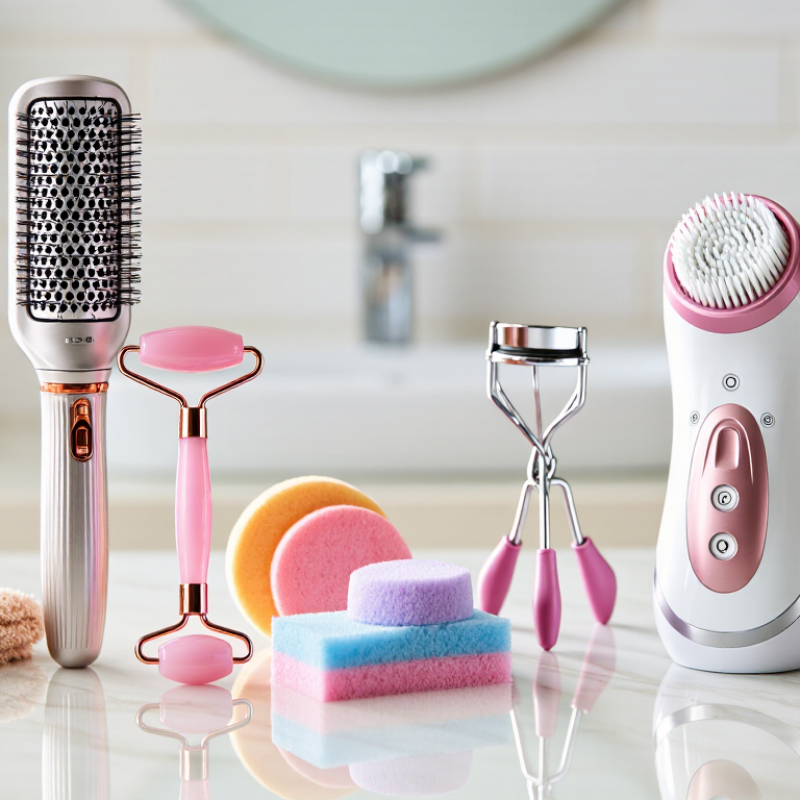
The best beauty tools of 2026 should do more than look polished on a bathroom shelf. They should work reliably, feel comfortable, and remain hygienic after repeated use. From heated styling brushes to facial rollers, makeup sponges, eyelash curlers, and electric cleansing devices, daily care can strongly influence performance and lifespan.
“Clean tools protect the skin and preserve the performance you paid for,” says Dr. Hadley King, a board-certified dermatologist, when discussing beauty-tool hygiene and maintenance. Her point is practical. Oil, makeup residue, moisture, and dead skin can collect around bristles, hinges, charging ports, and silicone surfaces. These small deposits may cause odors, uneven application, rust, or weaker results. Sometimes, the problem is not poor product quality. It is rushed care.
This guide explains how to maintain beauty tools for longer use without turning maintenance into a complicated ritual. You will find clear cleaning schedules, safer drying methods, storage ideas, and replacement warning signs. A soft brush may need gentle shampoo, while a heated tool needs a fully cooled surface and a dry cloth. Electrical devices require extra caution. Never soak them unless the manufacturer specifically allows it.
Some advice may challenge common habits. Leaving tools in a humid shower area feels convenient, but it can shorten their working life. I have also learned that “clean” does not always mean “disinfected.” Careful handling matters more than expensive accessories. A few minutes after each use can prevent costly replacements and help your favorite tools perform better in 2026.
Understanding the Main Types of Beauty Tools in 2026
Beauty tools now fall into several practical groups: thermal stylers, cleansing devices, light-based tools, microcurrent devices, and hair-removal tools. Grand View Research estimates the global beauty devices market reached about USD 35 billion in 2023, with strong growth expected through 2030. This expansion reflects more home treatment, but bigger sales do not always mean better results.
Thermal tools need heat-resistant surfaces and regular plate cleaning. Cleansing brushes need gentle washing and complete drying after use. Light-based devices require clean skin and consistent schedules. Microcurrent tools depend on proper contact, while hair-removal devices need careful skin preparation. I have found that storage often matters more than price. A damp bathroom shelf can shorten a tool’s useful life. That mistake is easy to make.
Tips: Remove residue after every use. Use a soft, dry cloth. Keep electrical tools away from splashing water. Check cables before use. Replace worn attachments promptly. The U.S. Consumer Product Safety Commission highlights damaged cords and overheating as common household hazards, so safety checks should not feel optional. Still, maintenance advice is not perfect for every device. Always follow the supplied instructions, because cleaning methods can differ. Some tools tolerate mild soap; others may be damaged by it.
A durable beauty tool should fit your routine, not merely look attractive. In my experience, the best choices have balanced handles, secure joints, and surfaces that tolerate repeated cleaning. Stainless steel, dense silicone, and heat-resistant materials often perform well. However, material names alone do not guarantee quality. Inspect the edges, seams, and moving parts before buying. Nothing should wobble. Comfort matters too. A tool that strains your wrist may stay unused in a drawer.
Care begins immediately after use. Rinse residue with lukewarm water, then wash with mild soap when instructions allow it. Pat tools dry instead of leaving them beside a damp sink. Moisture can weaken adhesives and encourage microbial growth. Store clean items in a ventilated case, not a sealed pouch while wet. I once ignored a tiny crack in a handle. It widened during cleaning, and the tool became unsafe. That mistake changed my routine. I now check for rough edges, discoloration, loose parts, and unusual odors every week. These checks take less than a minute.
Professional care also means knowing when maintenance is not enough. Replace tools with deep cracks, warped surfaces, rust, or damaged electrical cords. Do not keep using a product simply because it was expensive. Follow care instructions, especially for heat, batteries, and disinfectants. If instructions are unclear, choose the gentlest safe method and seek qualified advice. I still forget occasionally. That is worth admitting. My tools now stay on a dry rack, ready for the next use.
2026 Best Beauty Tools: How to Make Them Last Longer
Cleaning and disinfecting beauty tools correctly protects both your skin and the tool itself. Remove makeup, oil, and hair immediately after use. Wash brushes, combs, and reusable sponges with warm water and mild soap. Rinse until the water runs clear. Press out moisture gently, then air-dry tools in a clean, open space. Never store damp tools in closed bags. Moisture encourages odor and microbial growth. Keep electrical devices unplugged, and never immerse them unless the instructions clearly allow it.
Tips: Clean before disinfecting. Disinfectants cannot work well through makeup or oil. Use a suitable, labeled disinfectant and follow its contact time exactly. Wiping too quickly may leave surfaces inadequately treated. Clean tweezers and metal tools separately, then dry them fully to prevent corrosion. A disposable tissue can remove surface residue, but it cannot replace proper washing.
Inspect tools weekly. Look for cracked handles, loose bristles, rough edges, or permanent stains. Replace damaged items instead of forcing them back into use. It is easy to forget small tools. Set a simple reminder near your storage area. Even a careful routine may fail after a busy morning, so keep a small cleaning kit nearby. My own preference is practical: clean immediately when possible, but never pretend a quick wipe is enough.
Storing Beauty Tools to Prevent Damage and Contamination
Beauty tools often fail in storage, not during use. A 2019 Journal of Applied Microbiology study found that 70–90% of used cosmetic products carried potentially harmful bacteria. The study also reported that 93% of beauty sponges were never cleaned. Moisture is the quiet problem. Never place a damp sponge, brush, or facial roller inside a closed case. Let each item dry completely in open air first. Store brushes upright, with bristles facing upward. This protects their shape and keeps dirty surfaces away from the handle.
Keep clean tools separate from used ones. A washable fabric pouch works better than a crowded bathroom drawer. Heat and steam may weaken adhesives, deform plastic, and encourage microbial growth. Store electrical tools unplugged, cool, and away from splashing water. Coil cables loosely. Tight bends can damage internal wires. ISO 17516, the international cosmetics microbiology standard, sets limits for microbial contamination in cosmetic products. It does not replace careful home hygiene, but it explains why dry, clean storage matters.
Clean tools according to their material and manufacturer instructions. Alcohol may damage some coatings. Harsh chemicals can leave residue. I sometimes store tools too quickly after use, especially on busy mornings. That habit deserves correction. A clean storage routine is simple, but consistency remains the difficult part. Loose dust still happens. Inspect handles, seams, and bristles weekly, and replace items that smell unusual, crack, or cannot be cleaned properly.
Storing Beauty Tools to Prevent Damage and Contamination
| Beauty Tool | Recommended Storage | Cleaning Frequency | Typical Service Life* | Main Damage or Contamination Risk | Replacement Indicator |
|---|---|---|---|---|---|
| Makeup Brushes | Store upright or horizontally in a clean, ventilated holder with bristles protected from dust. | Every 1–2 weeks; more often for liquid or cream products. | 1–3 years, depending on materials and care. | Moisture trapped near the ferrule can loosen adhesive and encourage microbial growth. | Persistent odor, shedding, splayed bristles, or a loose handle. |
| Makeup Sponge | Allow it to dry completely in an open, breathable container; never seal it while damp. | After every use; deep-clean with a suitable cleanser regularly. | About 1–3 months for frequently used damp sponges. | A damp interior can retain makeup residue and support bacterial or fungal growth. | Tears, permanent discoloration, odor, hardened areas, or failure to rinse clean. |
| Eyelash Curler | Keep dry in a clean drawer or covered pouch; avoid storing under heavy items. | Wipe after each use; disinfect the contact surfaces regularly. | Several years with routine pad replacement. | Eye makeup residue and worn pads can transfer contaminants or pull lashes. | Cracked or hardened pad, misalignment, rust, or uneven pressure. |
| Tweezers | Store in a dry, closed case so the tips do not contact other tools. | Clean after each use and disinfect when shared or used on irritated skin. | Several years when kept dry and protected. | Dirt or corrosion on the tips can irritate skin and reduce precision. | Blunt, bent, corroded, or misaligned tips. |
| Facial Roller | Store in a dry protective sleeve or clean tray; avoid sudden temperature changes. | Wipe after each use with a soft, suitable disinfecting cloth. | Several years if the stone or roller mechanism remains intact. | Residue around the axle can cause friction, odor, or surface contamination. | Cracks, sharp edges, wobbling, or a stiff and noisy axle. |
| Gua Sha Tool | Keep in a padded pouch or lined tray away from hard objects and direct heat. | Clean after each use and dry thoroughly before storage. | Several years, provided the surface remains smooth. | Chips or microscopic cracks can harbor residue and scratch the skin. | Chipping, rough edges, cracks, or permanent staining. |
| Facial Cleansing Brush | Remove the brush head, rinse thoroughly, and store upright in a ventilated area. | Rinse after every use; clean the handle and charging area weekly. | Replaceable head every 2–3 months; device life varies. | Water trapped under the head can cause odor, residue buildup, or device damage. | Frayed bristles, persistent odor, skin irritation, or reduced performance. |
| Hairbrush or Comb | Store dry in a drawer or holder away from shower spray and excessive humidity. | Remove hair after each use; wash approximately monthly. | 1–3 years, depending on construction and heat exposure. | Oil, dead skin, and styling-product residue can accumulate between teeth or bristles. | Bent teeth, broken bristles, sharp edges, or cracked cushioning. |
| Hair Dryer | Store completely cool in a dry location with the cord loosely coiled, never tightly wrapped. | Clean the air filter or intake according to the user manual, commonly every 1–3 months. | Several years with regular filter maintenance. | Blocked airflow can cause overheating; moisture can damage electrical components. | Burning smell, overheating, unusual noise, damaged cord, or intermittent power. |
| Hair Straightener or Curling Iron | Cool fully before storage; use a heat-resistant mat or pouch and keep plates or barrels clean. | Wipe cooled surfaces after use; remove styling-product residue promptly. | Several years, depending on heat cycles and electrical condition. | Residue can scorch, cause uneven heating, or transfer back to the hair. | Cracked plates, exposed wiring, unstable temperature, or a damaged plug or cord. |
*Typical service life: Actual durability depends on frequency of use, material quality, cleaning method, moisture exposure, and storage conditions. Replace any tool immediately if it causes skin irritation, has visible mold, develops rust on contact surfaces, or shows electrical damage.
2026 Best Beauty Tools: How to Make Them Last Longer
Replacing a worn part can extend a beauty tool’s useful life and preserve its performance. I check cords, hinges, blades, filters, heating plates, and battery covers during monthly cleaning. Loose screws, uneven heat, rattling sounds, or rough cutting edges deserve attention. Use replacement parts designed for the exact tool model. Poorly fitting pieces may create heat, pressure, or hygiene problems. Follow repair instructions, and unplug electrical tools before inspection. I once ignored a loose hinge because the tool still worked. That delay caused uneven movement and a more expensive repair.
Retirement becomes necessary when cracks, exposed wires, swollen batteries, repeated overheating, or persistent odors appear. A skin-contact tool should leave service after deep corrosion or damage that cleaning cannot remove. Do not keep using it because it was expensive. That habit is understandable, but unsafe. If a dryer takes twice as long or a trimmer pulls hair repeatedly, replacement may be wiser than another temporary fix. Dispose of electrical and battery-powered tools through approved local collection services.
Tips: Clean tools after each use, then dry every joint completely. Store heated tools on a heat-resistant surface. Replace removable filters before airflow drops sharply. Keep a simple service note with dates and replaced parts. I sometimes forget this record, making future troubleshooting harder.
Typical replacement intervals vary with frequency of use, cleaning, storage, and visible wear. Replace consumable parts sooner when they become dull, frayed, cracked, clogged, or difficult to sanitize. Retire the entire tool if it overheats, produces sparks, has exposed wiring, develops a damaged battery, or no longer operates safely after part replacement.
Beauty tools usually fit five groups: thermal stylers, cleansing devices, light-based tools, microcurrent devices, and hair-removal tools. They need different care. Heat tools need clean plates and heat-resistant surfaces. Cleansing tools need gentle washing and complete drying. Other devices require clean skin, proper contact, or careful preparation.
Remove makeup, oil, and hair immediately after use. Wash brushes, combs, and reusable sponges with warm water and mild soap. Rinse until the water runs clear. Press out moisture gently. Let everything air-dry in a clean, open area. A quick wipe is not enough.
Unplug electrical tools before cleaning them. Never immerse them unless the instructions clearly allow it. Use a soft, dry cloth for surfaces and plates. Keep them away from sinks, showers, and splashing water. Check cables for cuts, loose sections, or overheating signs. Small cracks matter.
Clean visible makeup, oil, and residue before disinfecting. Use a suitable labeled disinfectant. Follow its required contact time exactly. Wiping too quickly may leave surfaces inadequately treated. Metal tools should be cleaned separately and dried fully. Alcohol may damage certain coatings.
Let sponges, brushes, and rollers dry completely in open air. Do not place damp items inside closed bags or cases. Store brushes upright, with bristles facing upward. Keep clean tools separate from used ones. A washable pouch can reduce dust. Moisture causes trouble.
Store electrical tools unplugged, cool, and away from bathroom splashes. Coil cables loosely instead of bending them tightly. Heat and steam can weaken adhesives and deform plastic. A dry shelf is safer than a humid counter. I sometimes store tools too quickly. That habit needs correction.
Inspect tools weekly for cracked handles, loose bristles, rough edges, or unusual stains. Check seams and attachments closely. Replace damaged items instead of forcing them back into use. Discard tools that smell unusual or cannot be cleaned properly. A reminder near storage can help. Busy mornings still cause missed checks.
No. A larger market does not guarantee better performance. Correct preparation, consistent use, and careful maintenance matter greatly. A cheaper tool may last longer when stored dry and cleaned properly. However, instructions can differ between devices. Price alone is a weak guide.
In 2026, beauty tools include facial cleansing devices, hair styling tools, manicure equipment, makeup applicators, and personal grooming accessories. Choosing well-made tools with durable materials, secure construction, and replaceable components can improve both performance and value. A thoughtful personal care routine should match each tool to your needs while avoiding unnecessary features that may be difficult to maintain.
Learning how to maintain beauty tools for longer use begins with proper cleaning and disinfection after each use, following the tool’s care instructions and allowing it to dry completely. Store tools in a clean, dry place away from heat, moisture, and direct sunlight to prevent damage and contamination. Check cords, batteries, blades, brushes, and other removable parts regularly, replacing worn components when possible. When a tool becomes cracked, unstable, rusty, or difficult to clean, retire it safely to protect comfort, hygiene, and reliable results.

Osity Beauty