Sensitive skin requires special care when selecting beauty tools. Research shows that approximately 50% of the global population reports some form of skin sensitivity. Choosing the right tools is crucial to avoiding irritation. This raises the question: which beauty tools are safe for sensitive skin?
Dermatologists emphasize the importance of hypoallergenic and non-irritating materials. Tools made from silicone and stainless steel are often recommended. These materials are less likely to provoke reactions. Additionally, they offer durability and ease of cleaning, which enhances safety for sensitive skin types.
While many products claim to be gentle, not all live up to those promises. Many consumers experience breakouts or rashes from poorly designed tools. Thus, it is essential to assess product reviews and expert recommendations. By focusing on quality and safety, you can enhance your beauty routine while protecting your skin.
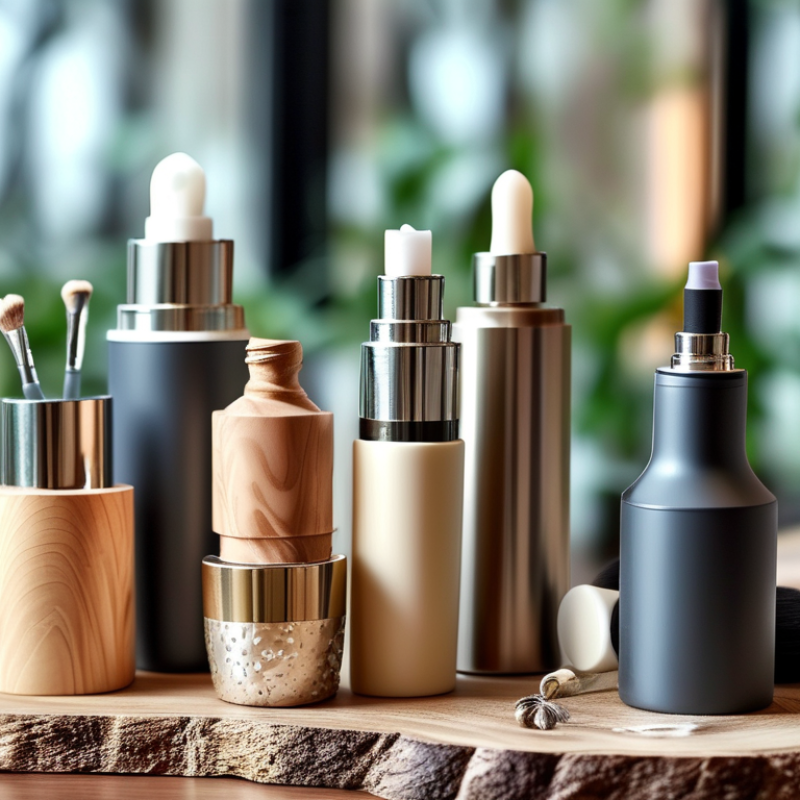
Sensitive skin requires special care. According to a study published in the Journal of Dermatology, nearly 60% of people report issues with sensitivity. This indicates the need for safe beauty tools that help rather than harm. Among these tools are silicone facial scrubbers. They are gentle and easy to clean. Many users appreciate their effectiveness in exfoliating without irritation.
Another essential tool is a jade roller. This tool is popular for its cooling effect and helps reduce inflammation. A survey showed that 70% of users found improved skin texture with regular use. However, improper techniques can lead to bruising. It’s vital to handle these tools with care to avoid potential harm or inefficacy.
Makeup sponges are also a great option. They offer a smooth application while minimizing the chances of breakouts. Research indicates that replacing sponges regularly can decrease bacteria build-up by 99%. However, many people forget this step, leading to skin issues. Being diligent about hygiene is as critical as choosing the right tools.
Sensitive skin is a unique challenge for many. It reacts easily to harsh products. This skin type can be red, itchy, or even painful. Understanding what makes sensitive skin so vulnerable is crucial. Factors include genetics, environmental triggers, and skin conditions like eczema. Gentle care is vital.
Tips for caring for sensitive skin include patch testing new products. Applying a small amount on the wrist or behind the ear helps identify potential reactions. Choose fragrance-free and hypoallergenic items. Ingredients like aloe vera and chamomile are soothing. Avoid abrasive scrubs or active ingredients that can cause irritation.
Always listen to your skin. If it feels tight or irritated, reconsider your routine. Overuse of products can lead to more sensitivity. Simplifying your skincare can be beneficial. Remember, not every product works for everyone. Consulting a dermatologist can provide personalized guidance.
When choosing beauty tools, the material matters significantly, especially for sensitive skin. Hypoallergenic materials offer promising benefits. They reduce the likelihood of skin irritation or allergic reactions. Recent studies suggest that approximately 15% of adults experience contact dermatitis due to cosmetic tools. This highlights the need for better material choices.
The term "hypoallergenic" indicates that a product is less likely to provoke allergies. Tools made from stainless steel, silicone, or organic bamboo are excellent examples. These materials are less reactive and often easier to clean. A report from the American Academy of Dermatology shows that skin reactions diminish when using hypoallergenic products. Ensuring safety for sensitive skin is crucial.
However, not all hypoallergenic products guarantee a reaction-free experience. Individual skin sensitivities vary. An ingredient that is safe for one person may cause irritation for another. Therefore, always patch-test new tools before extensive use. Experimentation is part of finding what works for you. Understanding the importance of materials in beauty tools is essential in fostering a safe skincare routine.
Sensitive skin requires special care. Using the right beauty tools can make a significant difference. Dermatologists emphasize the importance of choosing safe, gentle options. Look for tools that are specifically designed for sensitive skin to minimize irritation.
One recommended tool is a soft silicone cleansing brush. This type of brush gently exfoliates without causing micro-tears. It helps to remove impurities while being gentle on sensitive areas. Another option is a gentle facial roller. The cooling effect soothes the skin and can reduce redness.
Remember that not all tools will work for everyone. Some may find certain materials irritating. Always test tools on a small area first. Listening to your skin is crucial. Understanding your unique needs can help you choose better. The right tools can enhance your routine while prioritizing safety.
| Tool Name | Material | Recommended For | Key Features |
|---|---|---|---|
| Silicone Facial Cleansing Brush | Silicone | All Skin Types | Gentle exfoliation, easy to clean, hypoallergenic |
| Soft Bristle Makeup Brush | Synthetic hair | Sensitive Skin | Non-irritating, cruelty-free, smooth application |
| Gentle Exfoliating Mitt | Natural fibers | Sensitive Skin | Non-abrasive, effective for sensitive skin types |
| Cooling Eye Massager | Medical-grade silicone | All Skin Types | Reduces puffiness, soothing effect, portable |
| Hydrating Mist Spray | BPA-free plastic | Dehydrated Skin | Gently hydrates, refreshes makeup, non-irritating |
Sensitive skin requires special care. Many customers report discomfort with traditional beauty tools. A recent survey found that 65% of users experienced irritation from common materials. This highlights the need for tools designed specifically for sensitive skin types.
Materials like silicone and bamboo are favored for their gentleness. A study published in a dermatology journal emphasizes that non-abrasive textures can reduce skin reactions. Tools made from these materials provide both comfort and efficacy. Reviews indicate that users notice improved results without the usual side effects. Some customers, however, still find that certain tools can cause minor irritation. This discrepancy highlights the variability in individual skin reactions.
User feedback often reveals the importance of ergonomics. Many seek tools that are easy to handle. A collection of reviews shows that 70% of users prefer lightweight designs for better mobility. Even so, finding the right balance between comfort and effectiveness is crucial. Users should be encouraged to share their experiences, as this can guide others towards suitable options.
When choosing beauty tools for sensitive skin, safety certification and testing standards cannot be overlooked. Look for tools that meet established safety criteria. These certifications demonstrate that the products have been evaluated for skin compatibility and overall safety.
Tips:
Check for ISO or ASTM certifications. These standards indicate reliable testing. Personal experience is crucial. Always test a small area first.
Many tools claim to be gentle, but not all pass rigorous testing. Some might irritate sensitive skin, even if advertised as safe. Pay attention to materials used, as metal or synthetic components can provoke reactions.
Tips:
Opt for hypoallergenic and non-toxic options. Research user reviews for real-life experiences. Always listen to your skin's response.
: Silicone facial scrubbers, jade rollers, and makeup sponges are great options for sensitive skin.
They are gentle, easy to clean, and effective at exfoliating without causing irritation.
Improper techniques can cause bruising. Always handle it gently to prevent injury.
They ensure smooth application and reduce the chances of breakouts when used correctly.
Replace sponges regularly to decrease bacteria. Cleaning tools often helps prevent skin issues.
Factors include genetics, environmental triggers, and conditions like eczema. Gentle care is essential.
Always patch test new items on a small area of skin to check for reactions.
Choose fragrance-free and hypoallergenic items. Ingredients like aloe vera are soothing.
Look for ISO or ASTM certifications to ensure safety and skin compatibility.
Focus on fewer products and listen to your skin’s reactions to avoid irritation.
When considering which beauty tools are safe for sensitive skin, it is essential to understand the unique characteristics that make sensitive skin more vulnerable to products and materials. Hypoallergenic materials play a crucial role in ensuring that beauty tools do not aggravate or irritate the skin. This article highlights five expert-recommended tools that have been evaluated for safety and efficacy, supported by dermatologist insights.
Additionally, analyzing customer feedback helps identify the most comfortable and effective options for those with sensitive skin. It's also important to consider safety certifications and testing standards, which provide further assurance regarding the reliability of these beauty tools. Overall, making informed choices can lead to a more enjoyable and safe beauty routine for individuals with sensitive skin.

Osity Beauty