What Is the Best Way to Use Beauty Tools Correctly?

Time:2026-10-23 Author:Liam
0%

Using beauty tools well is not about owning the most expensive device. It is about understanding your skin, the tool’s purpose, and the correct technique. The key question is simple: how to use beauty tools correctly without creating irritation, injury, or unrealistic expectations?

Board-certified dermatologist Dr. Hadley King explains, “Overuse of a skin care tool can cause irritation, inflammation, and damage to the skin barrier.” Her warning reflects a practical truth. More pressure does not always produce better results. A facial roller should glide over clean skin with light strokes. A cleansing brush needs gentle contact, short sessions, and regular cleaning. Heated tools require dry skin, controlled temperature, and careful movement.

This guide focuses on safe, repeatable habits. It will examine preparation, pressure, timing, hygiene, and aftercare. It will also compare common tools, including rollers, gua sha stones, cleansing brushes, LED devices, and microcurrent equipment. Each tool has limits. None can replace professional treatment or medical advice.

The process is not flawless. Even experienced users may rush, forget to disinfect a device, or repeat a treatment too often. That matters. Redness, stinging, swelling, or persistent dryness should never be treated as proof of effectiveness. Stop using the tool and seek qualified dermatological advice when symptoms continue.

Good technique feels controlled, not painful. Results may appear gradually, and some tools may offer modest benefits. That honest expectation protects the skin and improves decision-making. It also makes beauty routines more consistent, hygienic, and genuinely useful.
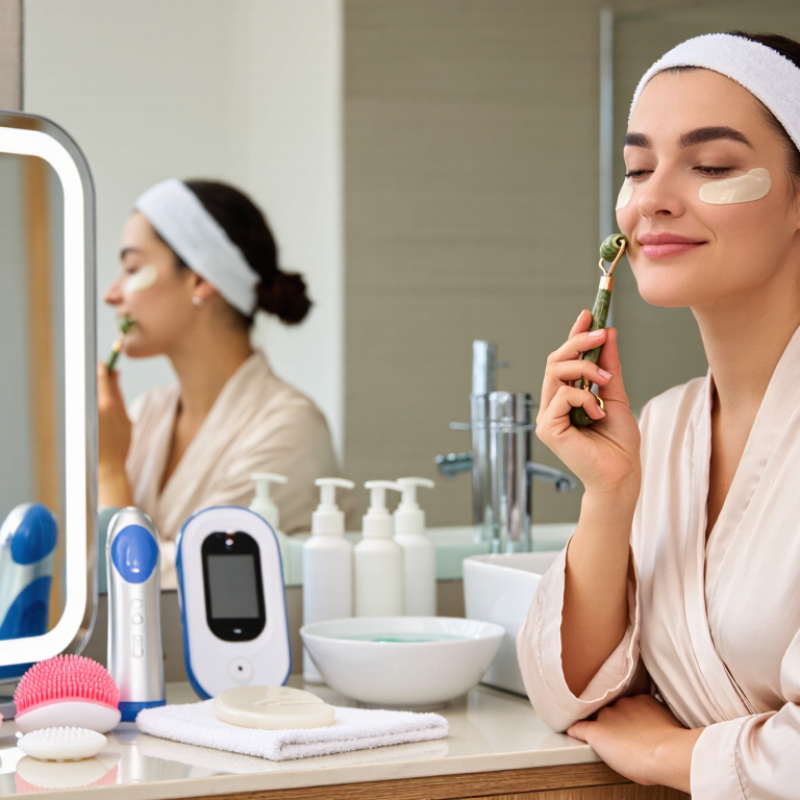
What Is the Best Way to Use Beauty Tools Correctly?

Identify the Right Beauty Tool for Your Skin and Beauty Goals

What Is the Best Way to Use Beauty Tools Correctly?

Identify the Right Beauty Tool for Your Skin and Beauty Goals

The right beauty tool depends on your skin condition, routine, and desired result. A soft cleansing brush may suit oily skin, but sensitive skin often needs gentle fingertips instead. For dry skin, avoid rough surfaces that can increase tightness and flaking. Your goal matters too. Choose a facial roller for light massage, a precision tool for targeted application, or a warm device for comfort rather than dramatic change.

Check the material, pressure, and cleaning method before use. Tools touching the eyes or broken skin require extra caution. Wash reusable tools after each session with mild soap, then let them dry completely. Damp storage can encourage bacterial growth. Use slow movements and stop when your skin feels hot, painful, or unusually itchy. Never share personal beauty tools.

Less pressure works better.

I once assumed stronger massage would improve results faster. It only left temporary redness and made my skin feel uncomfortable. That experience changed my routine. I now test a tool on a small area first and wait until the next day. A dermatologist can help when acne, rosacea, eczema, or unexplained irritation is involved. Tool instructions also deserve attention, although they can feel overly cautious. Your skin may respond differently from online demonstrations, and that difference should guide your next choice.

This chart matches common beauty tools with suitable skin and beauty goals. Ratings from 0 to 5 indicate general suitability based on each tool’s primary cosmetic purpose, not guaranteed clinical results. Always follow the device instructions and avoid aggressive tools on irritated or highly sensitive skin.

Prepare Your Skin and Tools Before Each Use

Clean skin is the safest starting point for any beauty tool. Wash your hands, then cleanse your face with lukewarm water. Pat your skin dry with a fresh towel. Do not rub hard. Dirt, makeup, and excess oil can increase friction during use. For exfoliating or suction tools, avoid heavy oils unless the instructions allow them. A light, suitable moisturizer may help tools glide more comfortably.

Prepare the tool as carefully as your skin. Check the surface, edges, attachments, and power cord for damage. Wash reusable parts with mild soap, then dry them completely. Some tools require a specific cleaning method, so follow the instructions provided with the device. Never share personal tools. I once rushed this step and noticed residue around a small attachment. That mistake changed my routine. Now, I inspect every part under a bright bathroom light.

Use the tool only on calm, intact skin. Avoid cuts, active irritation, sunburn, or areas that feel unusually tender. If the tool is new, test it on a small area first. Stop if you feel sharp pain, burning, or persistent redness. Skin comfort matters more than finishing a routine. I still sometimes use too much pressure when I am in a hurry. That is something I need to watch. Slow movements and clean equipment usually create a more controlled experience. Store the tool in a dry, covered place after cleaning.

Follow the Correct Steps for Safe and Effective Application

What Is the Best Way to Use Beauty Tools Correctly?

Follow the Correct Steps for Safe and Effective Application

Beauty tools work best when technique comes before intensity. The ISAPS 2023 Global Survey recorded over 19 million aesthetic procedures worldwide, showing strong demand for appearance-focused treatments. However, popularity does not replace safe handling. Start with clean hands and a freshly washed face. Read the tool’s instructions carefully. Check for cracks, loose parts, or unusual heat. Test a gentle setting on a small area first. Move the device slowly, without pressing hard. Never use it over cuts, active rashes, or infected skin.

Skin can look calm while remaining irritated underneath. The American Academy of Dermatology advises stopping products or procedures that cause burning, swelling, or persistent redness. I sometimes underestimate how quickly friction builds, especially around the nose. That is a useful mistake to notice. For heated or electrical tools, keep the device dry unless its instructions clearly allow water exposure. Clean reusable surfaces after each use, and never share tools that touch the skin. The U.S. Food and Drug Administration also warns that some beauty devices may cause burns, pigmentation changes, or scarring when misused.

Tips: Use a timer for short sessions. Keep pressure light. Replace damaged attachments. Take a clear photo before trying a new routine. It helps reveal changes that memory misses. If discomfort continues, stop using the tool and seek advice from a qualified dermatologist. A professional assessment matters more than a stronger setting.

Clean, Store, and Maintain Beauty Tools Properly

Clean, dry, and well-maintained beauty tools perform better and protect your skin from avoidable irritation. I wash brushes after heavy use, especially when applying cream or liquid products. A gentle cleanser removes residue without weakening the fibers. I rinse from the handle toward the tips, then squeeze out water with a clean towel. Never soak the entire brush.

Different materials need different care. Nonporous tools, such as metal tweezers or lash curlers, can be cleaned with mild soap and wiped with an appropriate disinfectant. Follow the tool’s care instructions carefully. Porous sponges require frequent washing and complete drying in an open, airy place. A damp sponge can develop an unpleasant smell quickly. It happened to me once.

Store tools away from sinks, steam, and direct sunlight. A ventilated container is safer than a closed, wet makeup bag. Keep sharp edges covered, and avoid placing clean tools beside used ones. Check bristles, hinges, handles, and surfaces every week. Loose parts or rough edges may scratch the skin. I sometimes delay replacing a worn tool, thinking it still works well enough. That habit needs reconsideration. Clean tools are not automatically safe if they are damaged. Wash your hands before handling them, and let every item dry fully before storage.

Adjust Your Routine Based on Skin Response and Results

What Is the Best Way to Use Beauty Tools Correctly?

A beauty tool should respond to your skin, not control it. The Global Wellness Institute’s 2024 report valued the wellness economy at $6.3 trillion in 2023. That growth encourages experimentation, but popularity does not prove suitability.

Begin with clean, dry skin and the lowest comfortable setting. Test a small area near the jawline. Check it again after 24 hours. Mild warmth may be acceptable, while burning, swelling, or persistent redness signals a pause. Adjust one variable at a time, such as pressure, speed, or weekly frequency. This makes results easier to track. A simple note can record texture, sensitivity, and recovery time. In practice, results may look uneven. That is normal. Continuing too aggressively is not.

Tips: Clean the tool before and after use. Avoid broken skin, active irritation, and freshly exfoliated areas. Use short sessions, then wait before increasing intensity. The American Academy of Dermatology recommends stopping products or routines that cause stinging or irritation. A 2024 McKinsey wellness report also found that consumers increasingly prioritize appearance and health together, yet convenience can encourage overuse. If your skin feels tight the next morning, reduce pressure or frequency. If discomfort continues, consult a qualified dermatologist. A careful routine may feel slower, but it gives clearer feedback.

FAQS

How should I prepare my skin before using a beauty tool?

Wash your hands and face first. Dry the skin completely. Clean tools before use.

What setting should I use when trying a tool for the first time?

Start with the lowest comfortable setting. Test a small area near your jawline. Keep it gentle.

How can I tell whether my skin is reacting badly?

Burning, swelling, or lasting redness means stop. Mild warmth may be acceptable. Discomfort is useful feedback.

How long should each beauty tool session last?

Use short sessions and set a timer. Follow the tool’s instructions. More time is not always better.

Can I use a beauty tool over irritated or damaged skin?

No. Avoid cuts, active rashes, infected areas, and freshly exfoliated skin. Let the area recover first.

How should I use heated or electrical beauty tools safely?

Keep them dry unless the instructions clearly allow water. Check for cracks, loose parts, or unusual heat. Stop if anything seems abnormal.

How often should I increase pressure, speed, or intensity?

Change only one factor at a time. Wait and observe your skin for 24 hours. Increase slowly, if needed.

How do I know whether my routine is working?

Take a clear photo before starting. Record texture, sensitivity, and recovery time. Memory can be unreliable.

How should reusable tools be cleaned and stored?

Clean the surface after every use. Do not share tools touching the skin. Replace damaged attachments.

When should I seek professional advice?

Stop if discomfort continues or your skin stays irritated. Consult a qualified dermatologist. A stronger setting is not a solution.

Conclusion

Learning how to use beauty tools correctly starts with choosing tools that match your skin type, concerns, and beauty goals. Different tools may support cleansing, exfoliation, massage, or product application, but they should always be used gently and appropriately. Before each session, cleanse your skin, inspect the tool, and make sure it is clean, dry, and ready for use. Following the correct steps, using suitable pressure, and avoiding excessive frequency can help improve comfort and effectiveness while reducing the risk of irritation.

After use, clean and dry the tool according to its material and design, then store it in a hygienic, protected place. Regular maintenance helps preserve its condition and prevents the buildup of oil, residue, or bacteria. Pay attention to how your skin responds, including signs of dryness, redness, or sensitivity, and adjust your routine when necessary. Consistent observation and gentle use are essential for making beauty tools a safe and useful part of personal care.

Liam

Liam

Liam is a dedicated marketing professional with a profound expertise in the industry, where he excels at highlighting the unique advantages of our core products. With a keen understanding of market trends and consumer needs, Liam frequently updates our company’s professional blog, providing......